



Patellofemoral Surgery in Dubai: Kneecap Instability, Patellar Dislocation and MPFL Reconstruction
Specialist assessment and treatment for patellar dislocation, recurrent kneecap instability, patellofemoral pain, MPFL reconstruction, TTO / tibial tubercle osteotomy, and complex kneecap tracking problems in Dubai.
If your kneecap slips out, feels unstable, shifts during sport, or you have repeated anterior knee pain with stairs, squatting, running, or jumping, the problem may involve the patellofemoral joint.
Patellofemoral surgery Dubai patients need careful assessment because the right treatment depends on why the kneecap is unstable: ligament injury, bone shape, alignment, cartilage damage, muscle control, or a combination of factors.
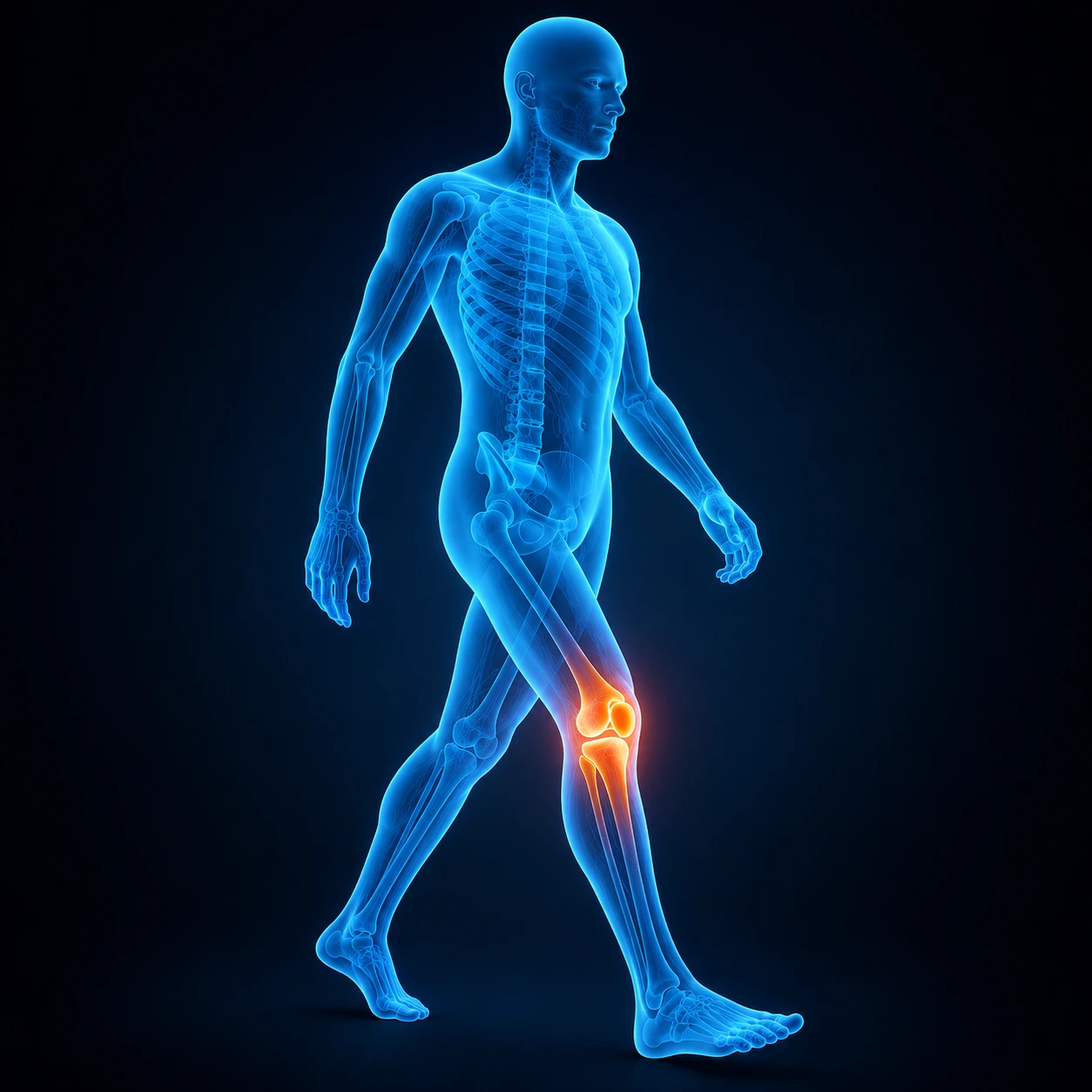
Kneecap stability depends on more than one structure
Patellar tracking is influenced by the MPFL, bone alignment, trochlear shape, muscle control, cartilage condition, and previous dislocation history.
Patients with kneecap instability, patellar dislocation or front-of-knee pain
This service is for patients who feel the kneecap slipping, have had one or more patellar dislocations, struggle with anterior knee pain, or need a second opinion about MPFL reconstruction, TTO, cartilage injury, or patellofemoral alignment.
First-time patellar dislocation
A first kneecap dislocation should be assessed properly to check ligament injury, cartilage damage, loose bodies, and future instability risk.
Recurrent kneecap instability
Repeated slipping, giving way, or dislocation may need a deeper assessment of MPFL injury, alignment, trochlear shape, and tracking.
Anterior knee pain
Pain around or behind the kneecap during stairs, squats, running, sitting, jumping, or training may be related to patellofemoral overload.
Cartilage injury after dislocation
Patellar dislocation can injure cartilage or create loose fragments inside the knee, especially after traumatic episodes.
MRI or surgery second opinion
Patients often need a clear explanation of MRI findings and whether rehabilitation, MPFL reconstruction, TTO, or another option is appropriate.
Return-to-sport planning
Athletes and active patients need a safe plan for strength, movement control, confidence, and gradual return to training.
Common symptoms of patellofemoral instability and kneecap problems
Patellofemoral problems can feel like pain, instability, slipping, catching, swelling, or loss of confidence during movement. The exact symptom pattern helps guide the diagnosis.
- Kneecap slipping, shifting, or feeling unstable
- History of patellar dislocation
- Front-of-knee pain during stairs, squats, running, or jumping
- Swelling after a dislocation or sports injury
- Fear of twisting, pivoting, or returning to sport
- Clicking, catching, or painful grinding around the kneecap
Why the kneecap becomes unstable
The kneecap should glide smoothly in the groove at the front of the knee. Instability happens when the forces that guide the kneecap are no longer balanced.
In some patients, the main issue is a torn MPFL after dislocation. In others, the problem may include trochlear dysplasia, patella alta, increased TT-TG distance, limb alignment, muscle control, or cartilage damage.
This is why patellofemoral surgery Dubai planning should be individualized. A simple diagnosis of “kneecap instability” is not enough. The real question is: why is it unstable?
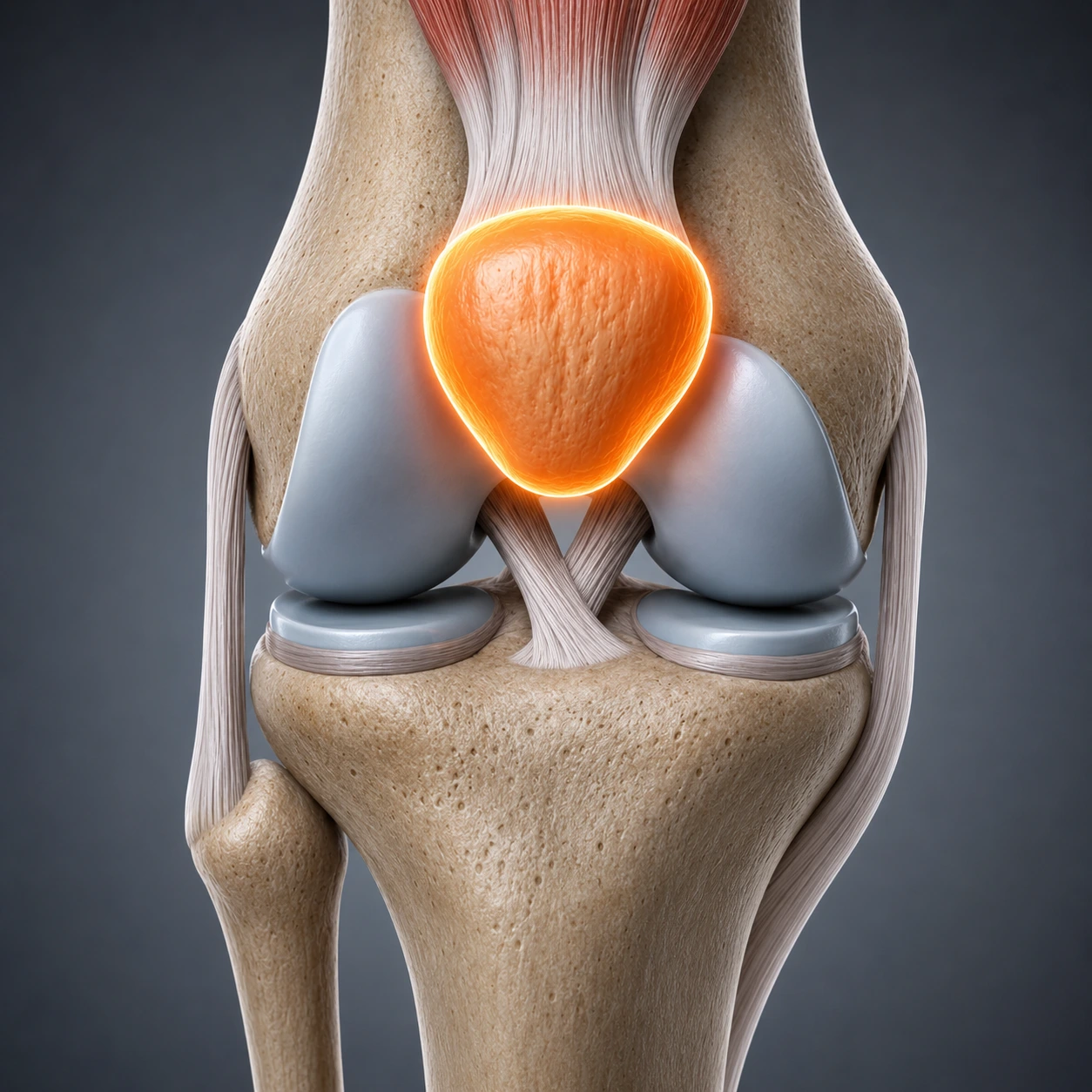
Patellofemoral conditions we assess and treat
Treatment depends on the cause of instability, number of dislocations, cartilage status, alignment, sport goals, and response to rehabilitation.
MPFL Injury
The medial patellofemoral ligament is commonly injured during patellar dislocation. MPFL reconstruction may be considered in recurrent instability.
Tibial Tubercle Osteotomy
TTO may be used in selected patients to improve kneecap tracking, alignment, and patellofemoral load when anatomy requires correction.
Recurrent Patellar Dislocation
Repeated dislocation needs careful evaluation because every episode may increase risk of cartilage injury and future instability.
Patellofemoral Pain
Front-of-knee pain can be related to overload, tracking problems, weakness, training load, cartilage irritation, or alignment factors.
Cartilage Injury
Dislocation or long-term maltracking can damage cartilage on the patella or trochlea. MRI review helps identify the severity and location.
Revision or Complex Instability
Some patients need assessment after previous surgery, failed rehabilitation, recurrent dislocation, or unclear imaging findings.
How we evaluate patellofemoral instability
A complete evaluation looks at the injury story, number of dislocations, clinical examination, imaging, alignment, cartilage condition, and patient goals.
History and instability pattern
We review when the kneecap first dislocated, how many episodes occurred, what activities trigger symptoms, and whether sport confidence has changed.
Physical examination
The knee is examined for patellar tracking, apprehension, mobility, swelling, range of motion, strength, alignment, and functional movement.
Imaging review
MRI helps assess MPFL injury, cartilage damage, bone bruising, and loose bodies. X-rays or CT may be used to assess alignment and bony anatomy.
Personalized treatment plan
Treatment may include rehabilitation, bracing, activity modification, MPFL reconstruction, TTO, cartilage treatment, or combined planning when needed.
Rehabilitation, MPFL reconstruction, TTO and combined treatment
Not every patellofemoral problem needs surgery. Treatment is selected based on instability risk, symptoms, anatomy, cartilage condition, and activity goals.
Non-surgical care when appropriate
Some patients can improve with a structured rehabilitation plan focused on strength, control, tracking, swelling management, and training modification.
- Swelling and pain control
- Quadriceps and hip strengthening
- Patellar tracking and movement control
- Gradual return to running and sport
- Education about recurrence risk
Surgery when instability risk is high
Surgery may be considered for recurrent dislocation, high-risk anatomy, loose body, cartilage injury, or persistent instability despite proper rehabilitation.
- MPFL reconstruction
- Tibial tubercle osteotomy when indicated
- Cartilage or loose body treatment
- Combined procedures for complex instability
- Structured rehabilitation after surgery
Already have MRI or X-ray results?
Dr. Tomislav can review your imaging, explain the reason for kneecap instability, and clarify whether rehabilitation, MPFL reconstruction, TTO, or combined treatment may be appropriate.
Recovery and return to sport after patellofemoral treatment
Recovery depends on the diagnosis and treatment. Rehabilitation after a first dislocation is different from recovery after MPFL reconstruction or TTO.
Return to sport should be based on swelling control, strength, movement quality, confidence, functional testing, and surgeon / physiotherapy clearance.
For patellofemoral surgery Dubai patients, the goal is not only to stop dislocation. The goal is stable movement, safe function, and confidence with sport-specific activity.
Recovery principles
- Control pain and swelling
- Restore safe range of motion
- Rebuild quadriceps and hip strength
- Improve landing, cutting and movement control
- Progress running and sport gradually
- Return only when function is ready
Structured diagnosis, clear explanation and personalized kneecap stability planning
Patients choose Dr. Tomislav for a careful approach to sports knee injuries, patellar instability, cartilage-related symptoms, and second opinions about imaging or surgery.
The plan is based on the cause of instability, not only the name of the condition. This helps avoid under-treatment, unnecessary surgery, or missing important anatomy that affects recurrence risk.
Patients usually need help with:
- Understanding why the kneecap dislocated
- Knowing whether MPFL reconstruction is needed
- Understanding TTO or realignment surgery
- Reviewing MRI, X-ray or CT findings
- Planning return to sport after instability
Patellofemoral surgery and kneecap instability questions
What is patellofemoral instability?
Patellofemoral instability means the kneecap does not track securely in the groove of the femur. It may slip, partially shift, or fully dislocate.
Does every patellar dislocation need surgery?
No. Some first-time dislocations can be managed with rehabilitation. Surgery may be considered for recurrent dislocation, high-risk anatomy, cartilage injury, loose body, or persistent instability.
What is MPFL reconstruction?
MPFL reconstruction is a procedure that rebuilds the main soft-tissue restraint that helps prevent the kneecap from dislocating outward.
What is TTO or tibial tubercle osteotomy?
TTO is a realignment procedure used in selected patients to improve kneecap tracking and load distribution when bony alignment contributes to instability or overload.
Can MRI show cartilage injury after kneecap dislocation?
Yes. MRI can show cartilage injury, loose bodies, bone bruising, MPFL injury, and other findings that help guide treatment planning.
Can Dr. Tomislav review my MRI or X-ray?
Yes. Imaging review is useful, but it should be interpreted together with your symptoms, instability history, physical examination, and activity goals.
Book a patellofemoral surgery assessment in Dubai
If you have kneecap instability, patellar dislocation, anterior knee pain, MRI findings, or uncertainty about MPFL reconstruction or TTO, you can book an assessment with Dr. Tomislav at Tadawi Hospital, Al Garhoud, Dubai.