


Your Orthopaedic Consultation Journey with Dr. Tomislav in Dubai
From booking your appointment to diagnosis, imaging, treatment planning, rehabilitation, and follow-up, this page explains what usually happens when you visit Dr. Tomislav for orthopaedic or sports injury care in Dubai.
The goal of the consultation is simple: understand your symptoms clearly, examine the problem properly, explain the diagnosis in a way you can understand, and create a treatment plan that matches your condition, activity level, and goals.
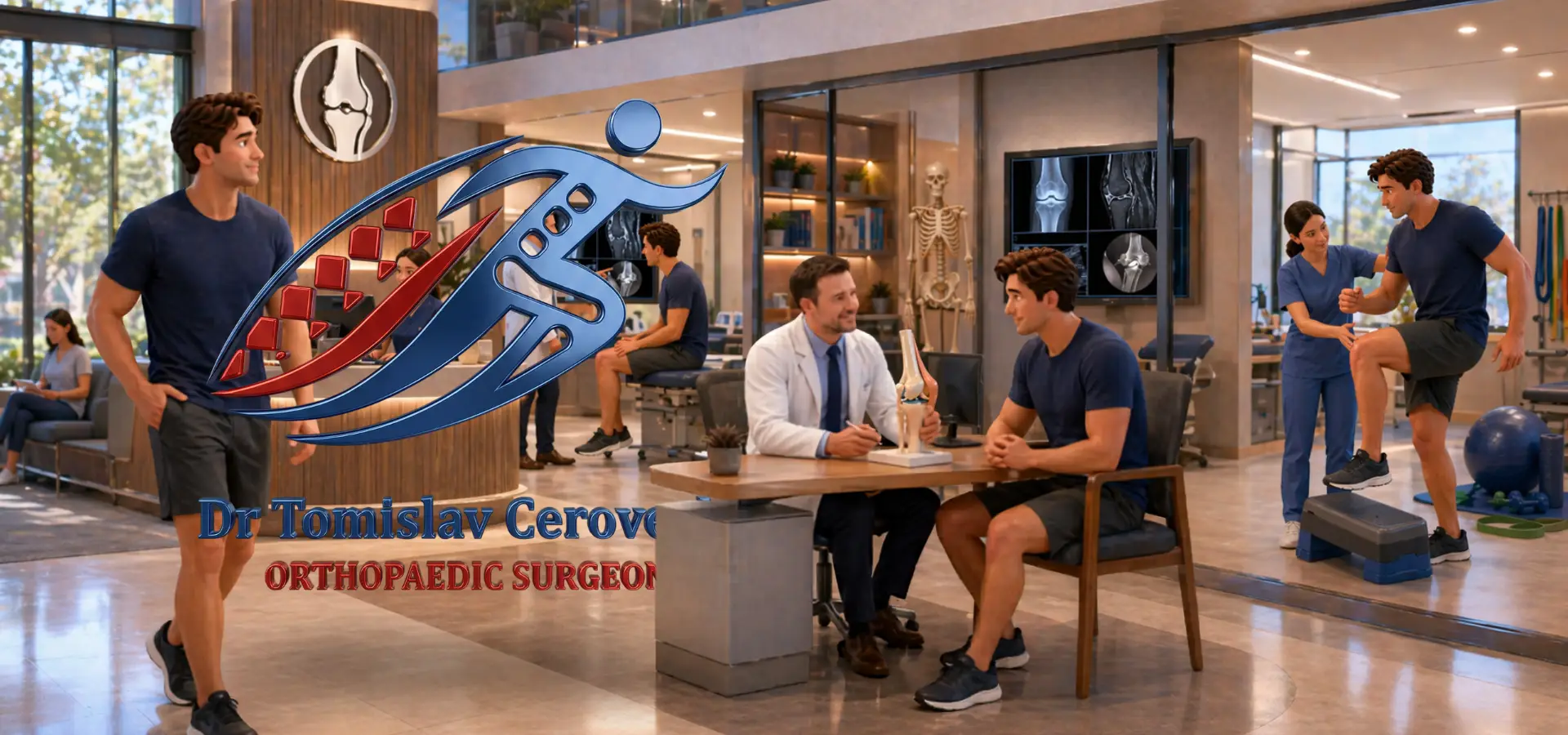
What to expect at your visit
A practical consultation pathway for patients with knee pain, shoulder pain, sports injuries, tendon problems, trauma, and MRI findings.
A clear patient journey from appointment to recovery plan
Many patients arrive with pain, uncertainty, an MRI report, a sports injury, or a previous treatment recommendation. The consultation journey is designed to replace confusion with clarity.
Listen first
Your symptoms, injury story, previous treatment, sport demands, work needs, and expectations are reviewed carefully before any decision is made.
Examine properly
Clinical assessment helps identify pain source, movement limitation, swelling, instability, weakness, and function-related problems.
Plan clearly
Treatment may include rehabilitation, medication, bracing, injections, orthobiologics, surgery, or follow-up depending on your diagnosis.
Your 7-step orthopaedic consultation pathway
Each step helps connect your symptoms, examination findings, imaging results, diagnosis, and treatment choices into one practical plan.
Booking Your Appointment
You contact the hospital by phone, WhatsApp, or website form. The team helps you book a suitable time and asks for basic details about your problem.
- Share your main complaint
- Choose a suitable appointment time
- Bring previous reports or imaging if available
- Explain whether the issue is urgent, traumatic, or long-standing

First Consultation
At your visit, Dr. Tomislav listens to your symptoms carefully. The first consultation is about understanding the problem before jumping to treatment.
- Where is the pain?
- When did it start?
- Was there an injury?
- What movements make it worse?
- Have you had previous treatment or scans?
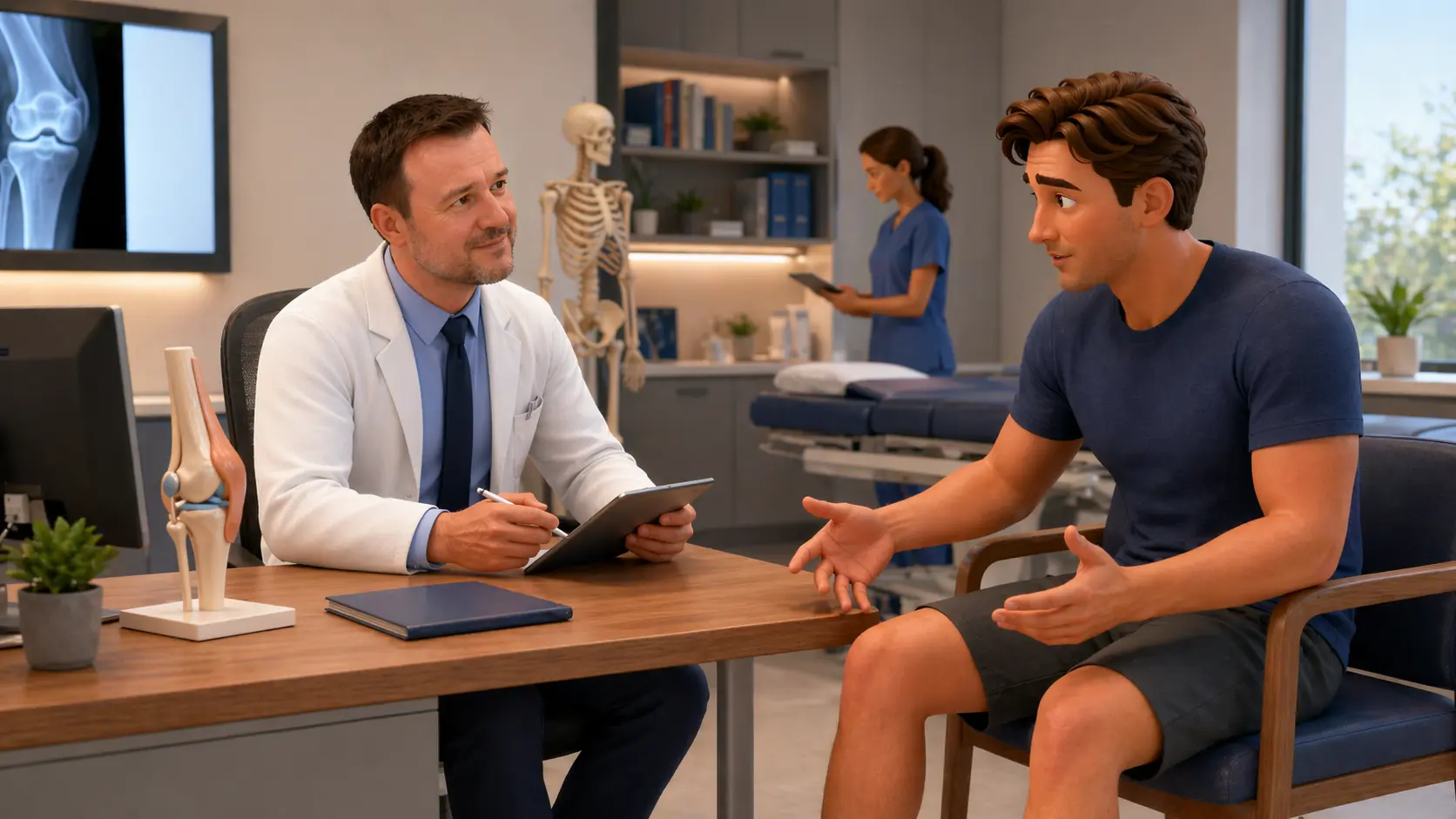
Clinical Assessment
This is often the most important part of the visit. The examination helps identify the real source of pain, instability, weakness, or movement limitation.
- Pain location
- Swelling
- Joint movement
- Stability
- Strength
- Walking, work, or sports function
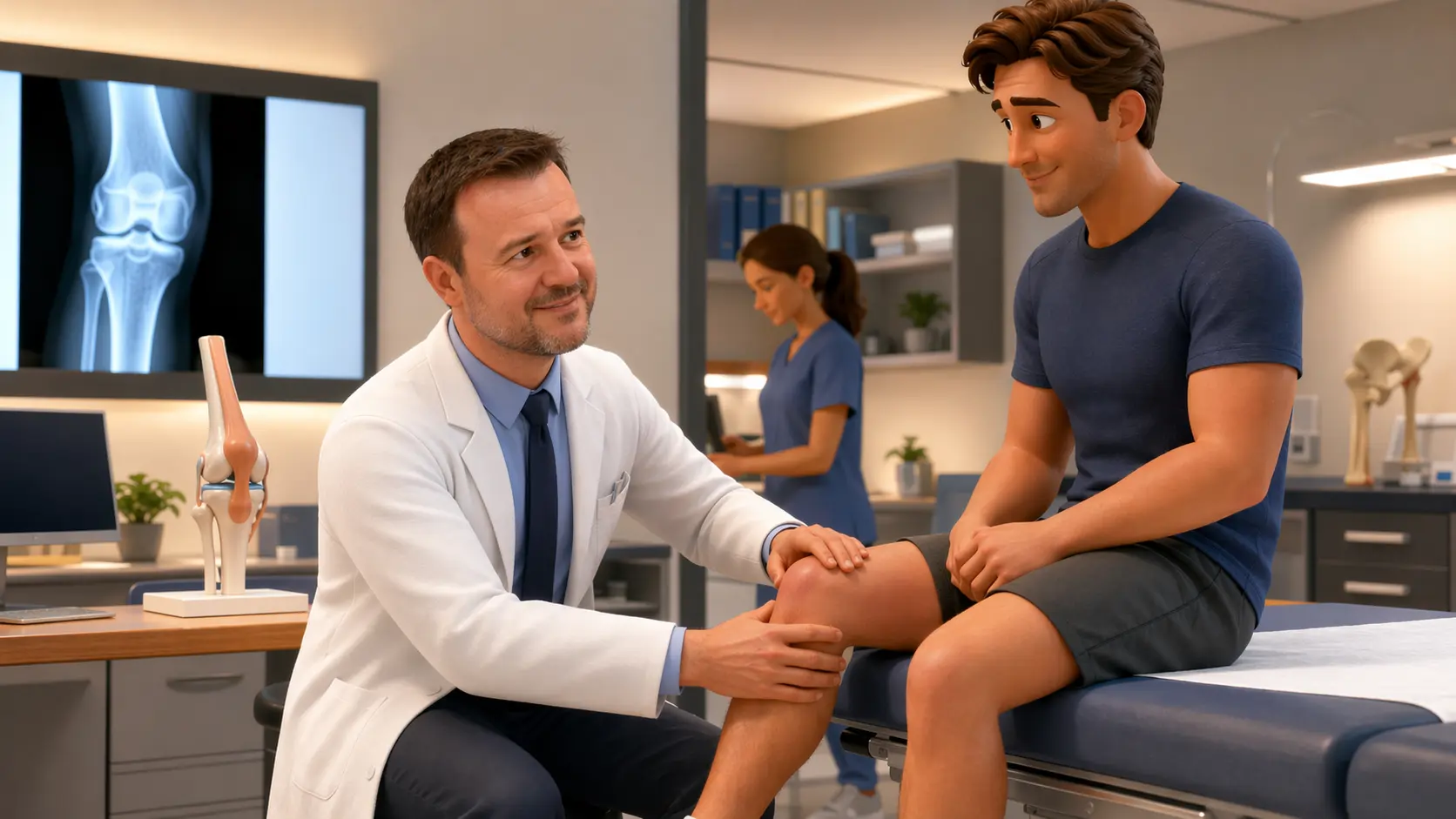
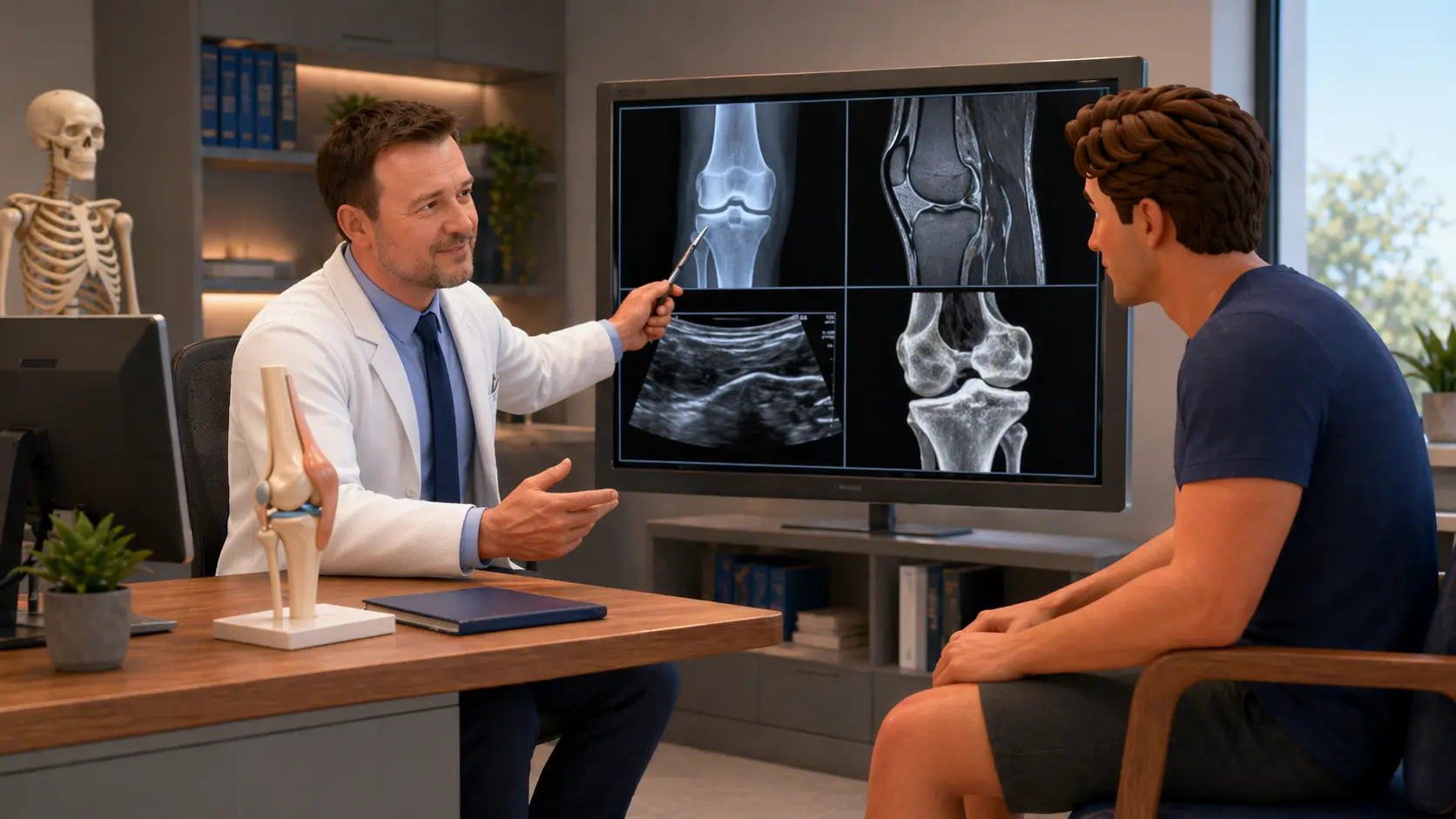
Imaging, If Needed
Sometimes examination is enough. If more detail is needed, imaging may be requested to confirm the diagnosis or plan treatment more accurately.
- X-ray for bones, alignment, or arthritis
- MRI for ligaments, meniscus, cartilage, tendons, or muscle injuries
- Ultrasound for selected soft tissue problems
- CT scan in special cases, especially complex bone issues
Diagnosis Explained Clearly
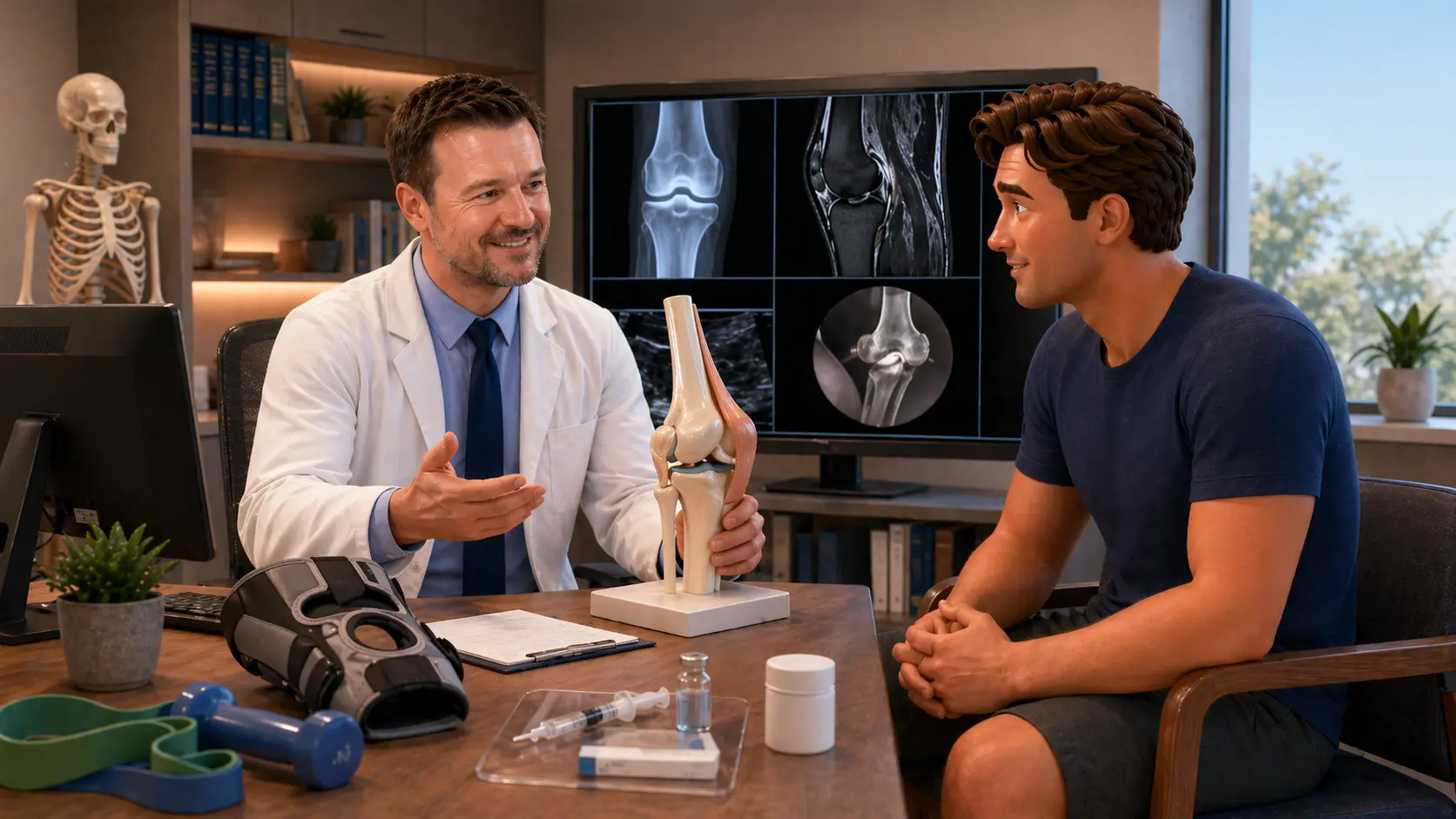
Once the assessment is complete, the doctor explains what the problem is, how serious it is, and what treatment options are realistic for your case.
- What the problem is
- How serious it is
- Whether surgery is needed or not
- Which treatment options are best for you
- What recovery may look like
Treatment Plan
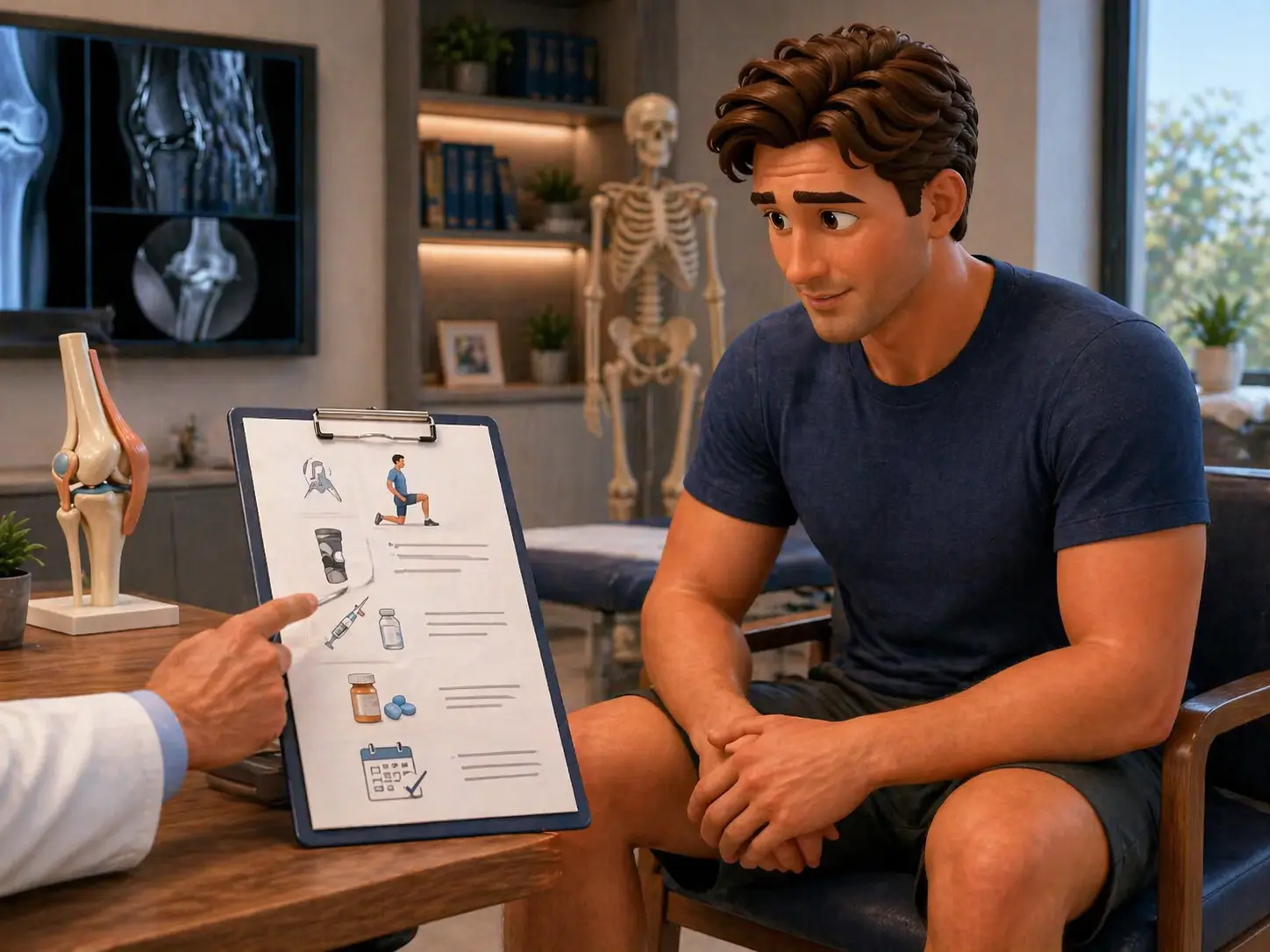
Treatment depends on the condition, severity, activity level, imaging findings, examination, and your personal goals.
- Rest and activity modification
- Medication for pain or inflammation
- Brace or support
- Physiotherapy and rehabilitation
- Injection treatment
- Orthobiologics, when appropriate
- Surgery, only if needed
Follow-Up
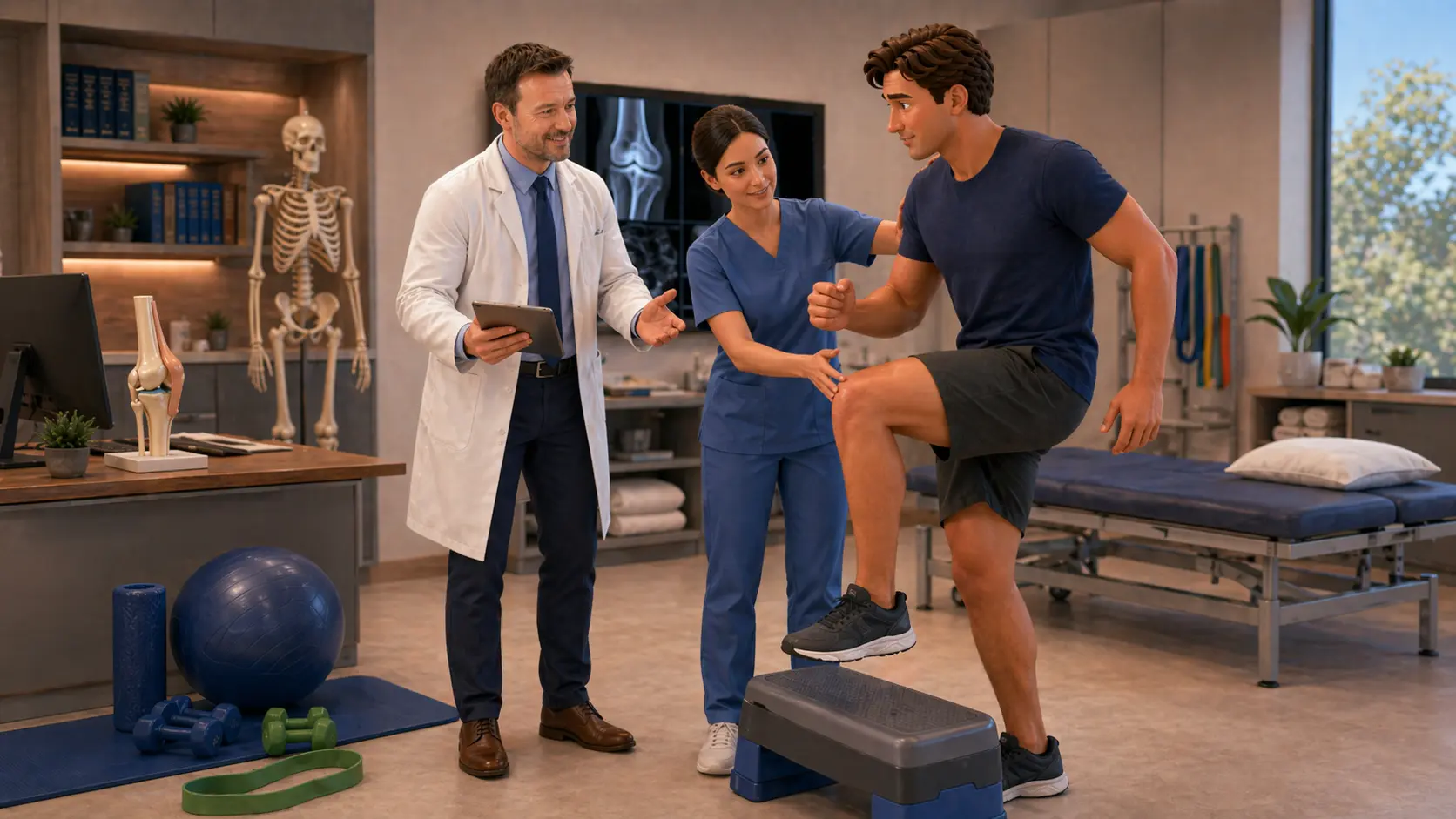
You may need a follow-up visit to review your progress, check imaging results, adjust treatment, and decide when it is safe to return to work, sport, or daily activity.
- Review your progress
- Check imaging results
- Adjust treatment
- Plan rehabilitation
- Decide safe return to work or sport
Good treatment starts with the right sequence
In orthopaedics and sports medicine, the best decision usually comes from combining the patient story, physical examination, imaging, diagnosis, and goals — not from treating an MRI report alone.
Avoid unnecessary treatment
Not every pain needs surgery, and not every MRI finding is the main cause of symptoms. A structured process helps avoid unnecessary procedures.
Do not miss serious injuries
Swelling, instability, locking, trauma, weakness, or inability to bear weight may need more urgent assessment and imaging.
Return safely
Recovery should be guided by symptoms, examination, strength, function, confidence, and the demands of work or sport.
Orthopaedic and sports injury problems assessed in clinic
Patients commonly book consultations for pain, injury, instability, MRI review, second opinion, and safe return to movement.
Knee pain and sports knee injuries
ACL injuries, meniscus tears, cartilage problems, patellofemoral pain, instability, swelling, and return-to-sport concerns.
ACL and ligament injuriesMeniscus and cartilage problems
Meniscus tears, locking, catching, swelling, cartilage damage, knee preservation, and treatment planning.
Meniscus and cartilage treatmentShoulder, tendon and muscle injuries
Shoulder pain, tendon injuries, rotator cuff symptoms, Achilles pain, muscle injuries, and overuse conditions.
Tendon and muscle injuriesFractures and sports trauma
Acute injuries, fractures, trauma assessment, imaging review, and recovery planning after injury.
Fractures and sports traumaOrthobiologics and injections
PRP, ultrasound-guided procedures, biologic options, and selected non-surgical treatment pathways.
Orthobiologics medicineMRI and second opinion
Review of imaging, explanation of findings, and guidance when you are unsure whether surgery or rehabilitation is needed.
MRI for knee pain guideNeed help deciding the next step?
If you have pain, swelling, instability, a sports injury, an MRI report, or a treatment recommendation you are unsure about, a focused orthopaedic consultation can help you understand your options.
Questions patients ask before visiting the clinic
Should I bring my MRI or X-ray reports?
Yes. If you already have MRI, X-ray, ultrasound, CT scan, or previous medical reports, bring them to the consultation. They can help connect your symptoms with imaging findings.
Do I always need imaging before treatment?
No. Sometimes the clinical examination is enough to begin treatment. Imaging is requested when it adds useful information for diagnosis, safety, or treatment planning.
Will I be told if surgery is not needed?
Yes. Surgery is recommended only when it is clearly indicated. Many orthopaedic problems can be treated with activity modification, rehabilitation, bracing, medication, injections, or observation.
Can I book for a second opinion?
Yes. Patients commonly book for second opinions about MRI findings, persistent symptoms, previous surgery recommendations, or uncertainty between rehabilitation and surgery.
What happens after the first consultation?
You may receive a treatment plan immediately, be referred for imaging, start rehabilitation, schedule follow-up, or discuss a procedure if it is medically appropriate.
Book your orthopaedic consultation in Dubai
If you are dealing with joint pain, sports injury, knee instability, shoulder pain, tendon injury, trauma, or MRI uncertainty, Dr. Tomislav can assess your condition and guide the safest next step.