



Advanced orthopaedic and sports injury treatments in Dubai
Explore Dr. Tomislav Cerovecki’s main treatment areas, including ACL and ligament injuries, meniscus and cartilage problems, patellofemoral instability, tendon and muscle injuries, fractures, sports trauma, and selected orthobiologic options.
Every treatment plan begins with a clear diagnosis. Imaging such as MRI, X-ray, ultrasound, or CT can be important, but the final decision should also consider your symptoms, clinical examination, activity level, age, goals, and long-term joint protection.
Find the treatment area related to your symptoms
These pages are designed to help patients understand common orthopaedic problems, when imaging may be needed, and what treatment options may be considered.
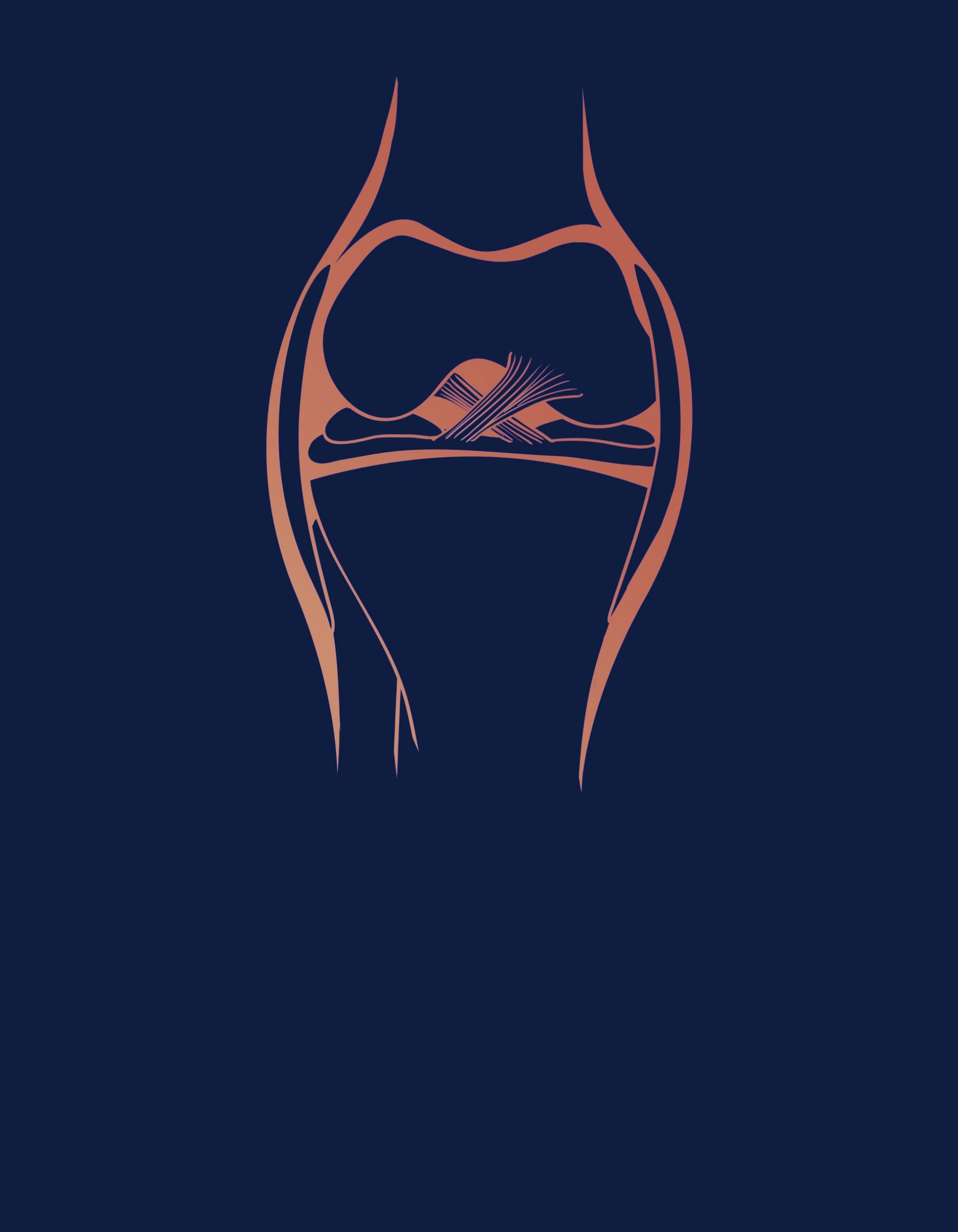
ACL & Ligament Injuries
Assessment and treatment planning for ACL tears, knee instability, multiligament injuries, and return-to-sport decisions.
Learn about ACL treatment
Meniscus & Cartilage
Patient-friendly guidance for meniscus tears, cartilage injuries, locking, catching, swelling, MRI findings, and preservation options.
Explore meniscus care
Patellofemoral Surgery
Evaluation of kneecap pain, patellar dislocation, instability, MPFL injury, tracking problems, and surgical planning when required.
View kneecap treatments
Tendon & Muscle Injuries
Care for Achilles, patellar, quadriceps, hamstring, calf, groin, and other tendon or muscle injuries affecting movement and sport.
See tendon injury care
Fractures & Sports Trauma
Assessment of acute sports injuries, fractures, stress fractures, trauma imaging, immobilization, rehabilitation and surgical decisions.
Review trauma care
Orthobiologics Medicine
Guidance about PRP, hyaluronic acid, selected injection options, joint pain, tendon pain, and when biologic treatments may be suitable.
Explore orthobiologicsThe right treatment depends on more than the MRI report.
A scan can show important structural findings, but treatment should not be decided from imaging alone. The most reliable plan comes from matching the imaging with the patient’s symptoms, examination, function and goals.
For some patients, physiotherapy and rehabilitation may be the most appropriate first step. For others, especially with instability, mechanical locking, displaced tears, certain fractures, or failed conservative care, a procedure may be considered.
Key factors Dr. Tomislav may consider
Common questions about orthopaedic treatments
These answers are general educational guidance. A personal diagnosis and treatment plan require clinical assessment by a qualified specialist.
Do all knee injuries need surgery?
No. Many knee injuries can improve with physiotherapy, strengthening, swelling control, activity modification and time. Surgery is considered when there is instability, mechanical locking, certain repairable injuries, displaced tears, fractures, or persistent functional limitation.
Does an MRI automatically decide the treatment?
No. MRI is useful, but treatment should be based on the full clinical picture. Symptoms, examination findings, activity goals and imaging must be interpreted together.
When should I see an orthopaedic specialist?
You should consider assessment if pain is persistent, the joint feels unstable, swelling continues, you cannot return to activity, the knee locks, or symptoms started after a significant injury.
Can sports injuries be treated without surgery?
Yes, many sports injuries are treated non-surgically. The decision depends on the diagnosis, severity, stability, sport demands, healing potential and response to rehabilitation.
From first assessment to recovery planning
A structured pathway helps patients understand what is happening, why symptoms occur, and what the next practical step should be.
Assessment
Your symptoms, injury story, medical history, sport goals and movement limitations are reviewed.
Examination
Joint movement, stability, strength, swelling, tenderness and functional tests may be assessed.
Imaging review
MRI, X-ray, ultrasound or CT may be used when needed to clarify the diagnosis or treatment plan.
Plan
You receive guidance about rehabilitation, injections, medication, follow-up, surgery or return to sport.
Book an orthopaedic treatment consultation in Dubai
If you have knee pain, a sports injury, MRI uncertainty, instability, tendon pain, trauma, fracture concern, or difficulty returning to activity, book an assessment with Dr. Tomislav Cerovecki at Tadawi Hospital, Al Garhoud, Dubai.