ACL & Multi-ligament Knee Reconstruction in Dubai
(Primary ACL, Revision ACL, LET/Modified Lemaire, PCL, LCL, Posterolateral Corner, Mult-ligament Injuries)
Dr Tomislav Cerovecki | Orthopaedic Surgeon
Tadawi Hospital, Al Garhoud, Dubai

ACL & multi-ligament
Knee Reconstruction in Dubai

If your knee gives way, feels unstable, or you cannot return to sport after an injury, the problem may be a ligament injury, most commonly the ACL. Some injuries involve more than one ligament (ACL + PCL/LCL/PLC), and those cases need a careful plan to restore stability and protect the knee long term.
I’m Tomislav (Dr Tomislav Cerovecki), an orthopedic surgeon at Tadawi Hospital in Dubai. I assess and treat ACL tears, revision ACL, and complex multi-ligament knee injuries, with treatment planned around your sport, work demands, and safety.
Location: Tadawi Hospital, Al Garhoud, Dubai
For UAE + GCC patients: in-person assessment and MRI review available
When to suspect an ACL or ligament injury

You may need a specialist assessment if you have:
- A “pop” at the time of injury
- Swelling within hours after the injury
- Knee giving way during turning/pivoting
- Feeling unstable going downstairs or changing direction
- Difficulty returning to sport even after rest/physio
- Locking or persistent painful catching (may suggest meniscus injury)
- Red flags (seek urgent assessment)
- Inability to bear weight
- Large swelling + severe pain after trauma
- True locking (cannot fully straighten)
- Numbness, cold foot, or severe deformity after injury
Conditions
ACL Reconstruction
(Primary)
When the ACL is torn and the knee remains unstable, reconstruction may be recommended to restore stability, especially for active people and athletes.
Rotational Stabilization
(LET / Modified Lemaire)
In selected patients, especially high-demand athletes or those with significant rotational instability, an additional stabilization procedure (LET/Modified Lemaire) may be recommended to reduce pivot-shift and protect the reconstruction.
ACL Reconstruction
(Primary)
If a prior ACL surgery has failed (re-injury, persistent instability, graft failure, tunnel issues, or untreated rotational instability), revision ACL requires a structured approach and, sometimes, staged planning.
Complex Knee
Ligament Surgery
Assessment and treatment for:
• PCL injury
• LCL injury
• Posterolateral corner (PLC) injury
• Multi-ligament knee injury (more than one ligament injured).
Do I always need surgery?
Not always.
You may need a specialist assessment if you have:
• Your knee stability on exam
• Your activity level (sport, job)
• Associated injuries (meniscus, cartilage, other ligaments)
• Symptoms over time and response to rehabilitation
• Some patients do well with structured rehab, bracing, and activity modification.
• However, if the knee continues to give way, surgery may be recommended to reduce repeated injury risk and protect meniscus/cartilage.
What your assessment usually includes?
To give you a clear answer quickly, the goal is to confirm:
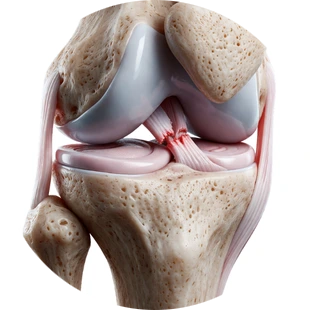
• Which ligaments are injured (ACL alone vs multiple ligaments)
• Whether the knee is stable or functionally unstable
• Whether meniscus or cartilage injuries are present
Typically includes:
• Detailed injury history and movement pattern symptoms
• Physical examination tests for stability
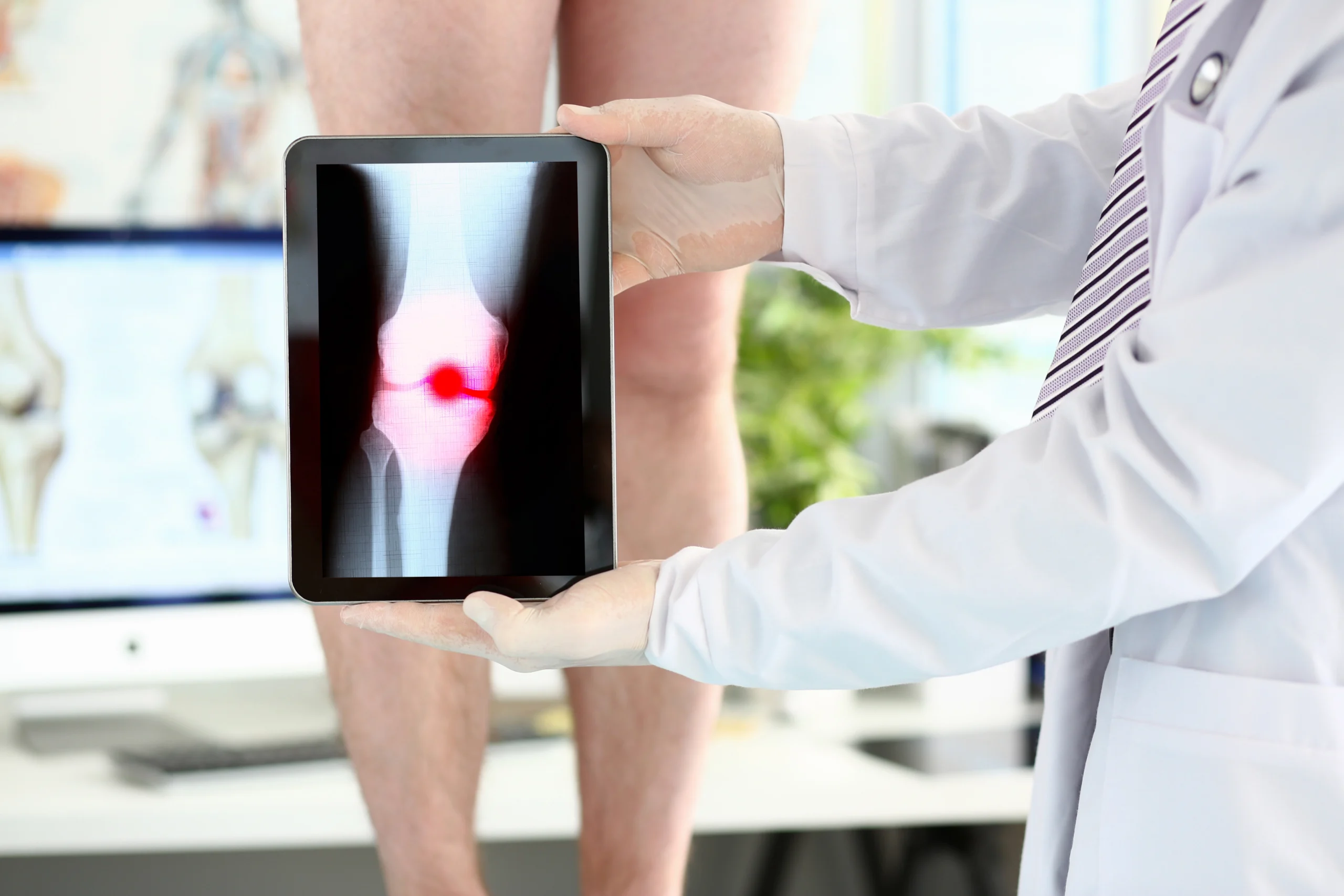
• MRI review (Helpful for confirming ligament + meniscus injuries)
• X-rays if needed (alignment, bone injury, arthritis screening)
Treatment approach
Treatment approach
• Non-surgical plan (when appropriate)
• Reduce swelling/pain and restore motion
• Strengthen quads/hamstrings/hips
• Neuromuscular training (control + balance)
• Return to activity criteria-based progression
Surgical plan
(when indicated)
• Your plan is customized based on:
• Primary vs revision ACL
• Knee anatomy and stability pattern
• Sport type (pivoting sports vs straight-line)
• Tissue quality and graft suitability
Location: Tadawi Hospital, Al Garhoud, Dubai
For UAE + GCC patients: in-person assessment and MRI review available
Recovery and return to sport
(realistic expectations)
Recovery depends on injury complexity and sport demands, but the general goals are:
- Early phase: swelling control + safe range of motion
- Strength phase: rebuilding thigh/hip strength and control
- Sport phase: running, cutting, agility, and return-to-play testing
- Return to sport is not just “time-based.” It’s based on strength, movement quality, confidence, and functional testing—so you return safely and reduce re-injury risk.
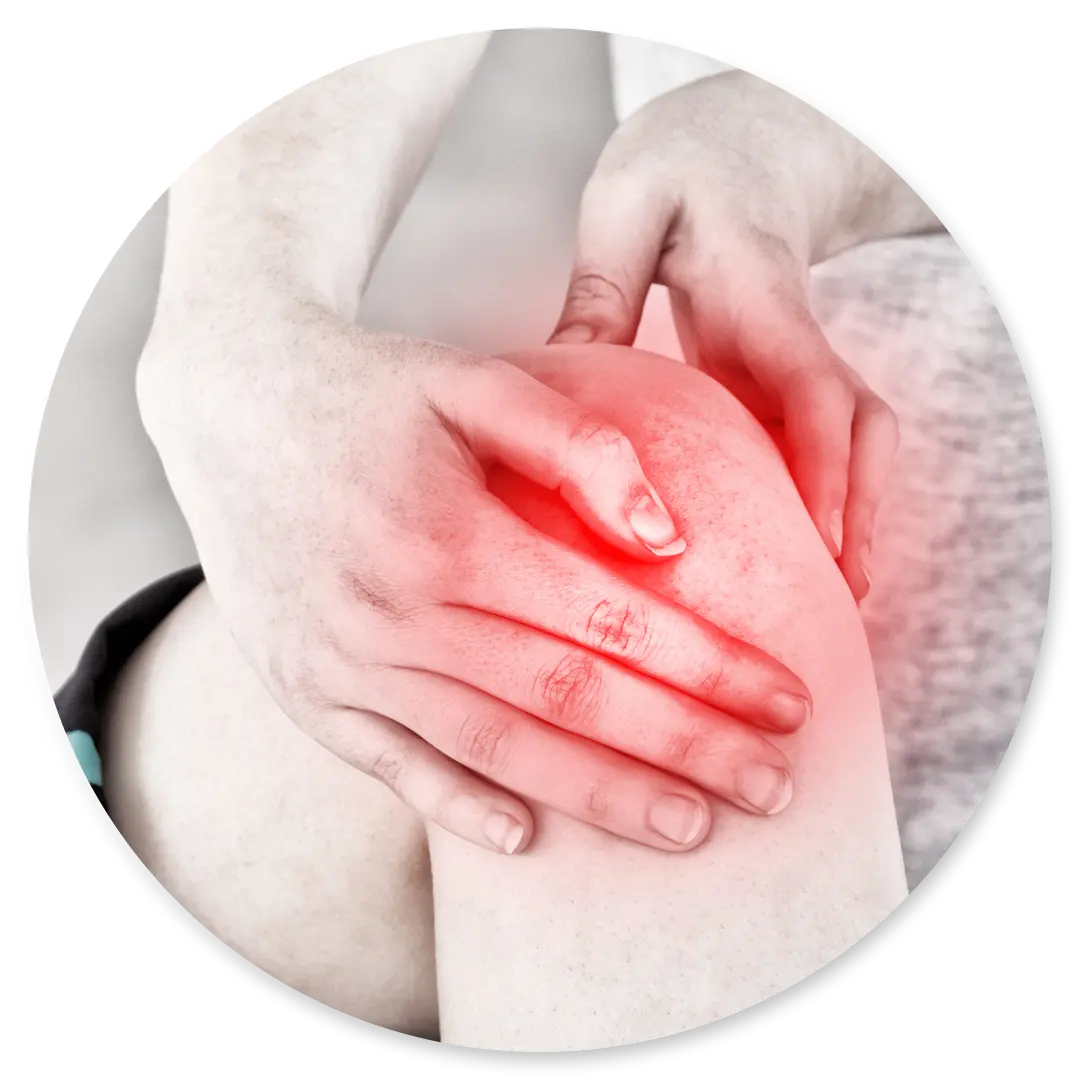
Why patients choose a specialist assessment in Dubai?
Patients commonly seek care because they want:
• A clear diagnosis: “Is it ACL, meniscus, or both?”
• A realistic plan: rehab vs surgery
• A safe path back to sport
• A structured approach for revision ACL and complex injuries
• Second opinion on MRI findings and treatment options
FAQ
Next step: book an assessment
If you have knee instability, a sports injury, or you need a second opinion, the fastest way forward is a focused assessment and MRI review.
Tadawi Hospital, Al Garhoud, Dubai (UAE)
Serving Dubai/UAE and welcoming GCC patients.
Medical note:
This page is general education and does not replace a medical diagnosis. Urgent symptoms (severe swelling, inability to bear weight, true locking, fever/hot red knee) should be assessed urgently.