



Fractures and Sports Trauma Treatment in Dubai: Acute Fractures, Stress Fractures and Return-to-Sport Planning
Specialist assessment and treatment for acute fractures, sports stress fractures, ankle and foot fractures, clavicle injuries, knee trauma, hand fractures, wrist injuries, X-ray / CT / MRI review, and safe return to sport in Dubai.
A fracture can happen in seconds during sport, a fall, a twist, or an everyday accident. Sometimes the injury is obvious. Other times, especially with stress fractures, pain builds gradually and is mistaken for a simple strain or training ache.
Fractures and sports trauma need early diagnosis, the right imaging, a clear treatment plan, and safe return-to-activity guidance.
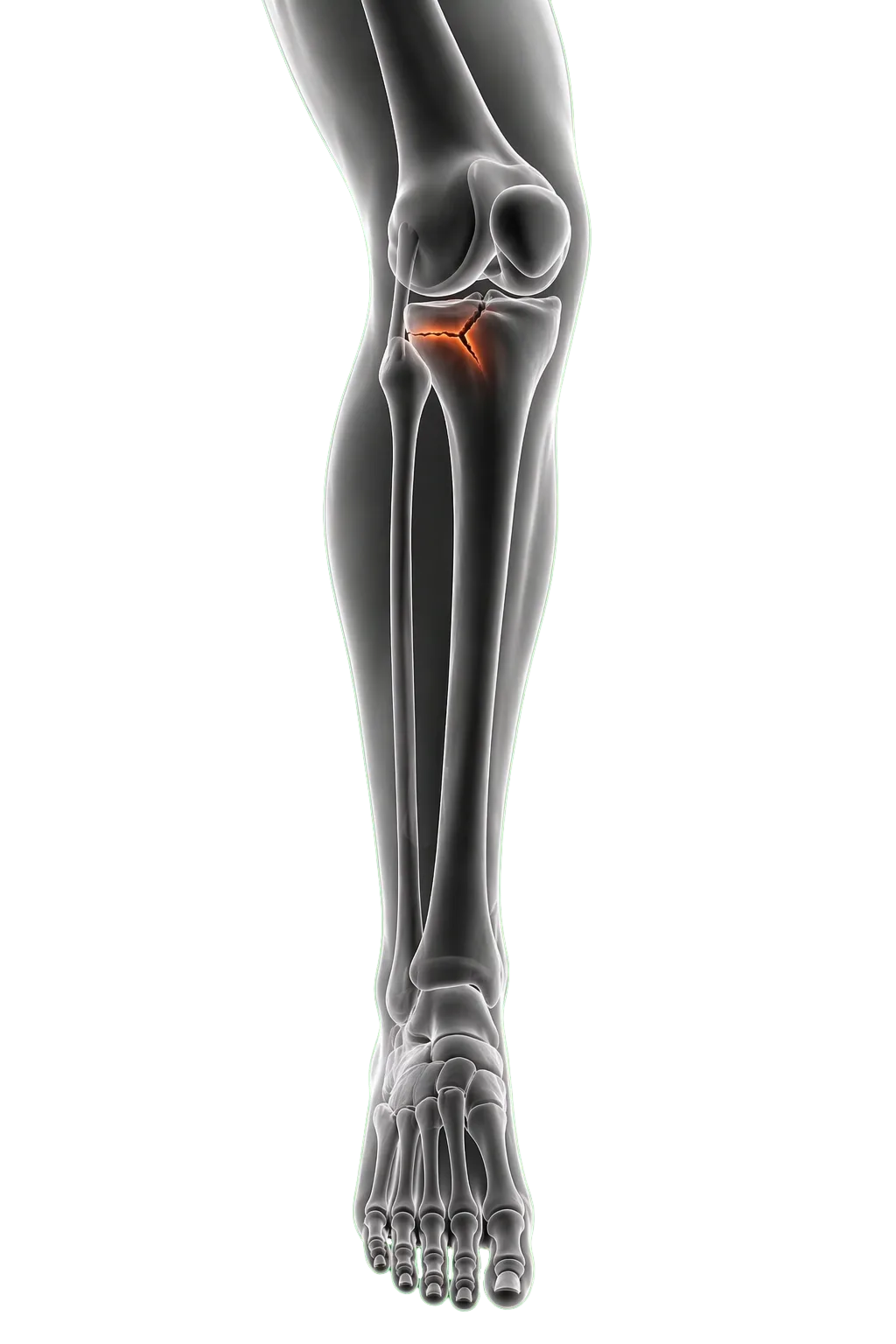
Early diagnosis reduces complications
The goal is to understand the fracture type, stability, alignment, healing risk, and the safest plan for work, walking, training, or sport.
Fractures and Sports Trauma: When Should You Seek Urgent Assessment?
Some injuries should not wait. If there is deformity, severe pain, inability to bear weight, numbness, circulation changes, or an open wound near the injury, the safest approach is prompt medical assessment.
If in doubt, treat the injury as urgent. Early diagnosis helps reduce complications and allows the right treatment plan to start sooner.
Fractures and Sports Trauma: Who Should Book an Assessment?
This service is for patients with suspected fracture, sports injury, persistent bone pain, stress fracture symptoms, or imaging results that need clear explanation and treatment planning.
Sports injury with suspected fracture
Pain after football, padel, running, gym, jumping, collision, fall, or twisting injury that may involve bone or joint trauma.
Persistent pain with activity
Pain that worsens with running, impact, jumping, or training may suggest a stress fracture or bone overload injury.
Ankle or foot trauma
Twisting injuries, landing injuries, foot fractures, ankle fractures, and pain that does not improve after rest.
Shoulder, clavicle, hand or wrist injury
Fall-related injuries, collarbone fractures, hand fractures, finger injuries, wrist trauma, and upper-limb sports injuries.
Second opinion on fracture management
Patients who have X-rays, CT, MRI, or a treatment recommendation and want a clear explanation before deciding.
Return-to-sport planning
Athletes and active patients who need staged guidance to return safely after fracture healing.
Common Fractures and Sports Trauma Injuries Treated in Dubai
Fracture management depends on location, alignment, stability, joint involvement, healing risk, activity goals, and whether the injury is acute or caused by repeated overload.
Foot and ankle fractures
Common after twisting injuries, falls, running overload, landing injuries, or sport-related trauma.

Stress fractures
Small bone injuries caused by repetitive load, often seen in runners and active patients. Pain usually worsens with impact and improves with rest.
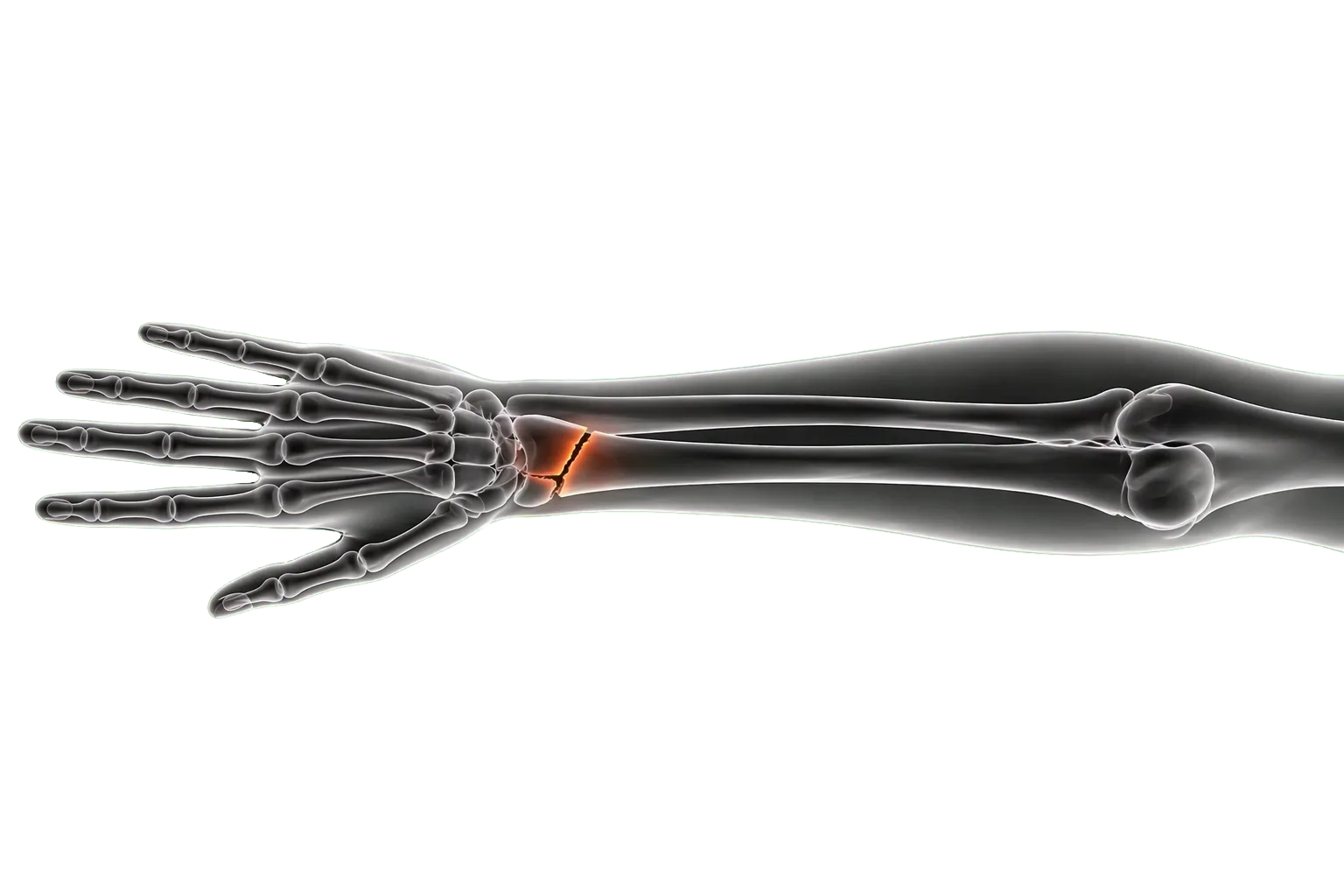
Hand, finger and wrist fractures
These injuries can affect grip, sport, work, and fine hand function. Alignment and joint involvement are important.
Clavicle and shoulder trauma
Collarbone fractures and shoulder-related trauma may happen after cycling, football, falls, or direct impact.
Knee-related fractures
Knee trauma may involve bone, cartilage, ligaments, meniscus, or joint surface injury depending on the mechanism.
Everyday acute fractures
Falls, slips, accidents, and twisting injuries can create fractures that need proper imaging and management.
Fractures and Sports Trauma Diagnosis: X-ray, CT, MRI and Clinical Assessment
Diagnosis is practical: understand how the injury happened, examine the painful area, choose the correct imaging, then decide whether the fracture is stable, displaced, hidden, or stress-related.
Clinical assessment
The injury story, pain location, swelling, bruising, deformity, weight-bearing ability, circulation and nerve signs are reviewed.
X-ray as the first step
X-ray is commonly the first imaging test for acute fracture assessment and alignment review.
MRI for stress fractures or hidden injuries
MRI may be used when a stress fracture is suspected or when pain persists despite normal initial X-rays.
CT for complex fracture anatomy
CT can help define fracture details in complex patterns, joint surface injuries, and surgical planning.
Already have X-ray, CT or MRI images?
Bring your images if you already have them. Reports are helpful, but image review is often important for accuracy and treatment planning.
Why image review matters in fracture treatment
A fracture report is useful, but treatment decisions often require reviewing the actual images. Alignment, displacement, joint involvement, healing risk, and fracture pattern can change the plan.
In sports trauma, the question is not only “is there a fracture?” The real question is whether the bone is stable, whether a joint is involved, whether surgery is needed, and how safely the patient can return to activity.
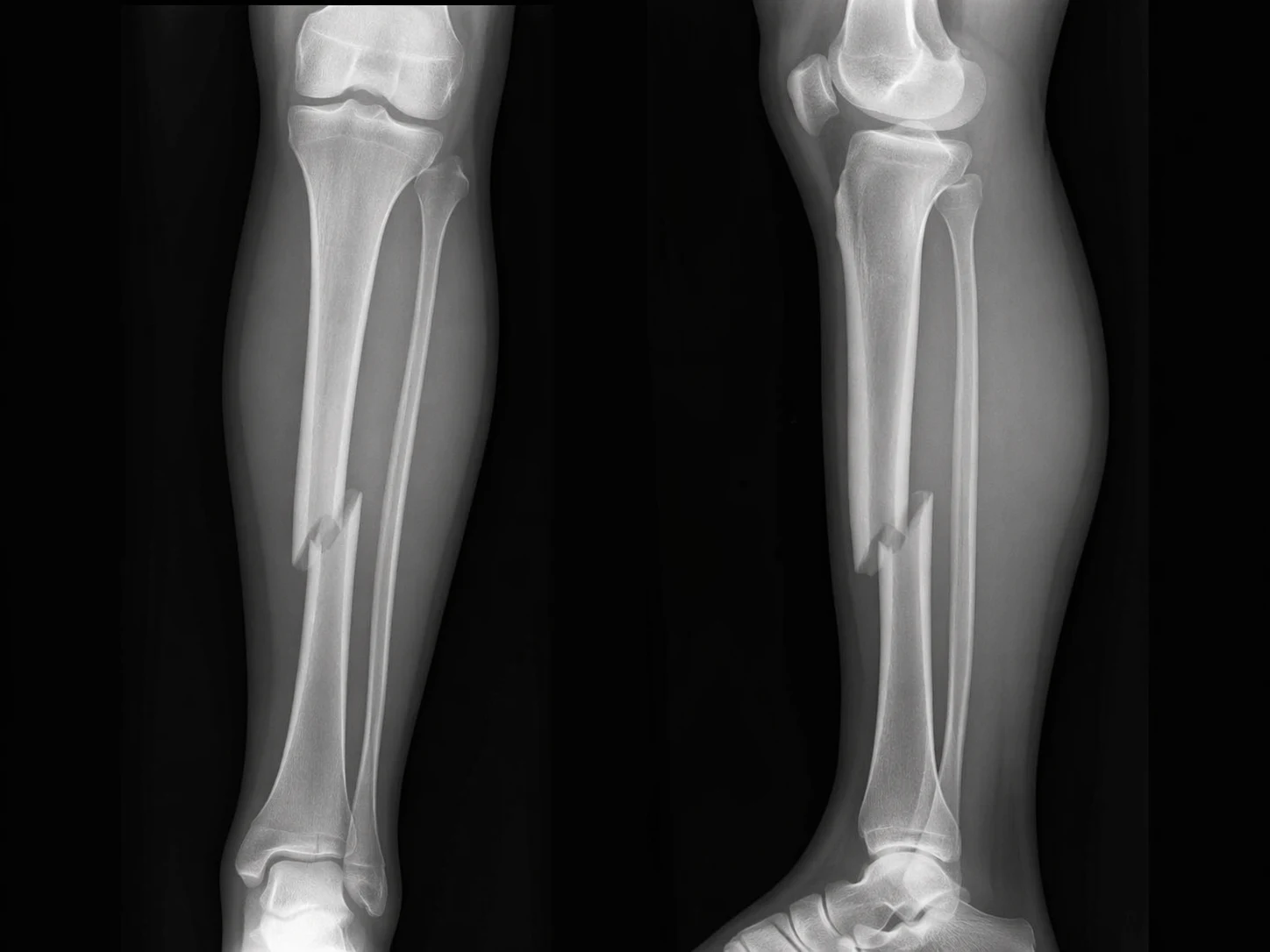
Image review helps clarify:
- Fracture location and pattern
- Displacement and alignment
- Joint surface involvement
- Stability and healing risk
- Need for CT, MRI, immobilization, or surgery
Fractures and Sports Trauma Treatment Options in Dubai
Your treatment plan depends on fracture type, location, stability, displacement, joint involvement, healing risk, and your activity goals.
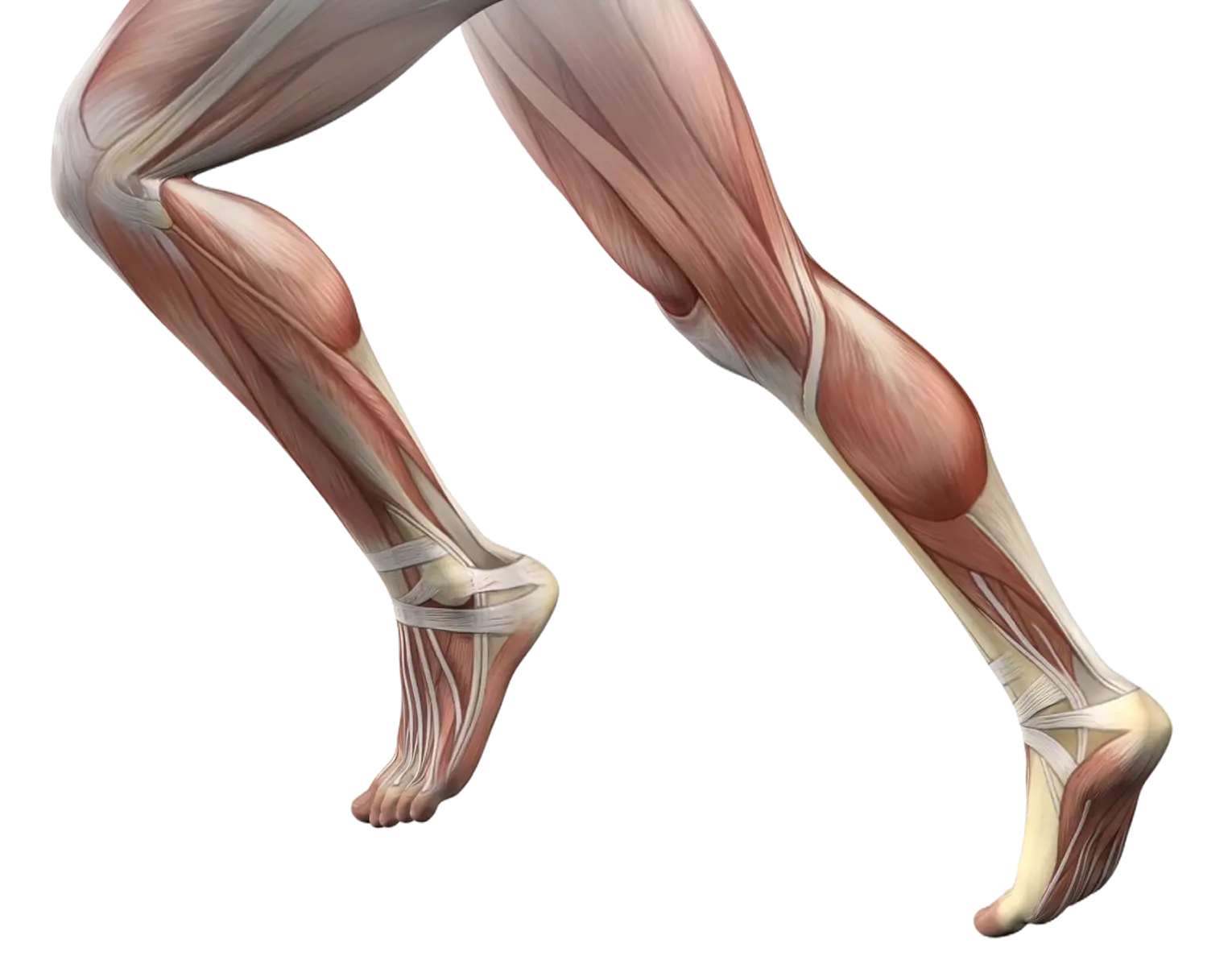
Non-surgical treatment
Many fractures are treated without surgery when alignment and stability are acceptable.
- Immobilization with boot, splint, cast, or support when needed
- Pain and swelling control
- Protected weight-bearing or activity modification
- Gradual return to movement and loading
- Physiotherapy and strength rebuilding

Surgical treatment when indicated
Surgery may be considered when a fracture is displaced, unstable, poorly aligned, or involves a joint surface in a way that threatens function.
- Displaced fracture
- Unstable fracture pattern
- Joint surface involvement
- Risk of poor healing or poor function
- Sports demands where stability and alignment are critical
Stress Fractures: When Training Pain Is More Than a Strain
Many active patients ignore a stress fracture because it feels like a training ache. Stress fractures are small bone injuries caused by repetitive load and are common in runners and active people.
They can occur in areas like the tibia, foot bones, or ankle region. Pushing through the pain can worsen the fracture and prolong recovery.
A stress fracture is more likely if:
- Pain is localized to one specific spot
- Pain worsens with impact activity and improves with rest
- Pain returns quickly when training resumes
- Pain starts earlier in workouts over time
- Hopping on the affected leg is painful
Return to Sport After Fractures and Sports Trauma
Return to sport is not based on a calendar alone. It depends on fracture healing, stability, pain-free function, strength, movement control, and the specific demands of the sport.
Running, jumping, contact sport, cutting, and pivoting all place different demands on the healing bone and surrounding tissues. A staged plan helps reduce the risk of re-injury.
Return-to-sport decisions consider:
- Fracture healing and stability
- Pain-free daily function
- Strength and movement control
- Sport-specific demands
- Running, jumping, cutting, or contact progression
- Risk of re-injury
Sports-injury perspective, image review and clear fracture planning
Patients choose Dr. Tomislav for fractures and sports trauma because the plan is focused on accurate diagnosis, transparent decision-making, and safe return to activity.
The aim is to explain whether the fracture is stable, whether surgery is needed, what healing should look like, and how to return safely to work, training, or sport.
Appointment options
- Acute injury assessment
- Stress fracture evaluation
- X-ray / CT / MRI review
- Second opinion on fracture treatment
- Return-to-sport planning
Fractures and Sports Trauma Questions
How do I know if I may have a fracture?
Signs can include severe pain after trauma, swelling, bruising, deformity, inability to bear weight, or pain with movement. X-ray is often needed, and MRI or CT may be required in certain cases.
What is the difference between an acute fracture and a stress fracture?
An acute fracture happens after a sudden injury such as a fall, impact, or twist. A stress fracture develops gradually from repetitive load and often worsens with activity.
Do all fractures need surgery?
No. Many fractures can be treated without surgery if the bones are well aligned and stable. Surgery may be considered for displaced, unstable, or joint-involving fractures.
When is MRI useful for a suspected stress fracture?
MRI can be useful when stress fracture is suspected, especially if pain persists, X-rays are normal, or the diagnosis is unclear.
Can Dr. Tomislav review my X-ray, CT or MRI?
Yes. Image review can help clarify the fracture pattern, stability, treatment options, and return-to-sport planning.
When can I return to sport after a fracture?
Return to sport depends on fracture healing, stability, pain-free function, strength, movement control, and sport demands. It should not be based only on time.
Book a fractures and sports trauma assessment in Dubai
If you suspect a fracture, have persistent pain that may be a stress fracture, or need X-ray / CT / MRI review, book an evaluation for diagnosis and a clear treatment plan.