



Orthobiologics Medicine in Dubai: PRP, Joint Injections and Regenerative Treatment Options
Evidence-informed orthobiologics medicine in Dubai for selected joint pain, tendon pain, sports injuries, early cartilage wear, and MRI-guided treatment decisions.
If you are dealing with persistent joint or tendon pain, you may be looking for an option that supports recovery without surgery, or helps you return to activity more confidently.
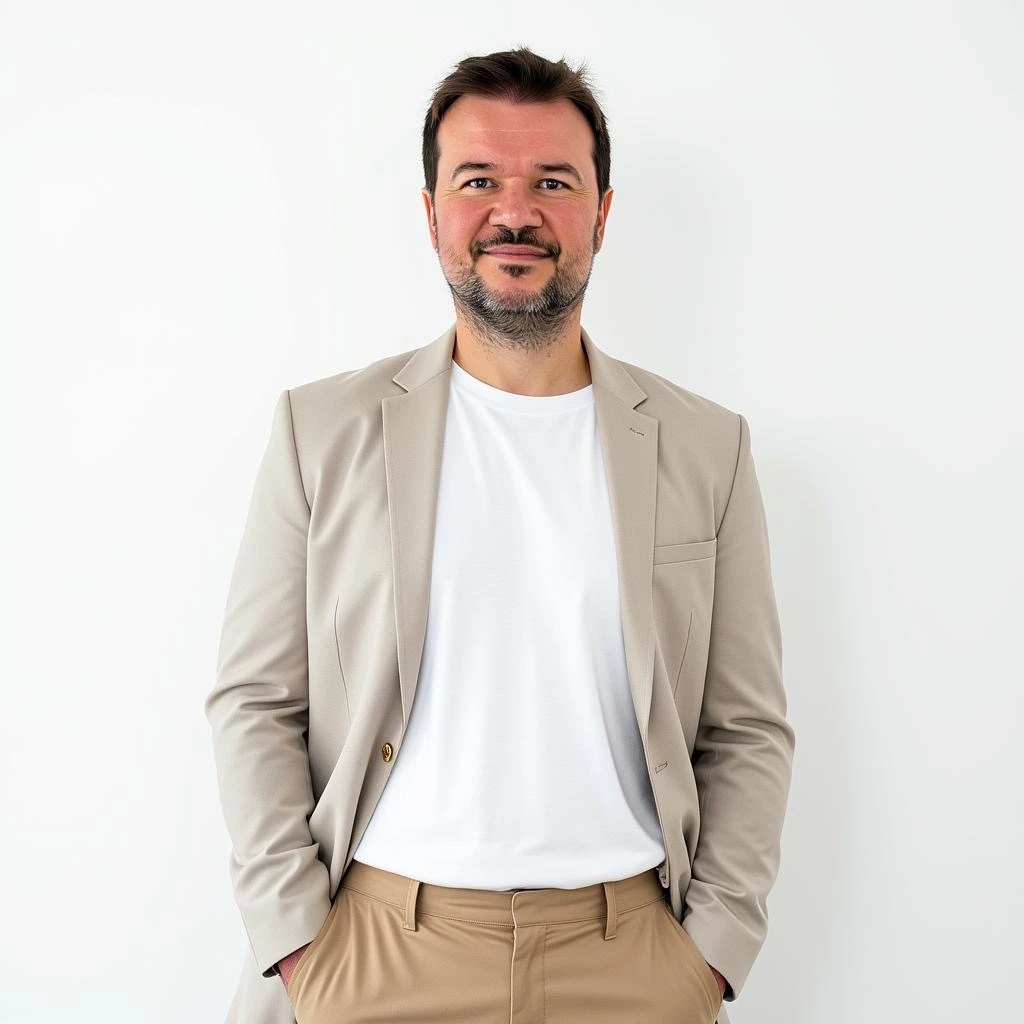
Dr. Tomislav Cerovecki offers diagnosis-first orthobiologics and regenerative injection options for selected conditions affecting the knee, shoulder, ankle, Achilles tendon, elbow, and other joints or soft tissues.
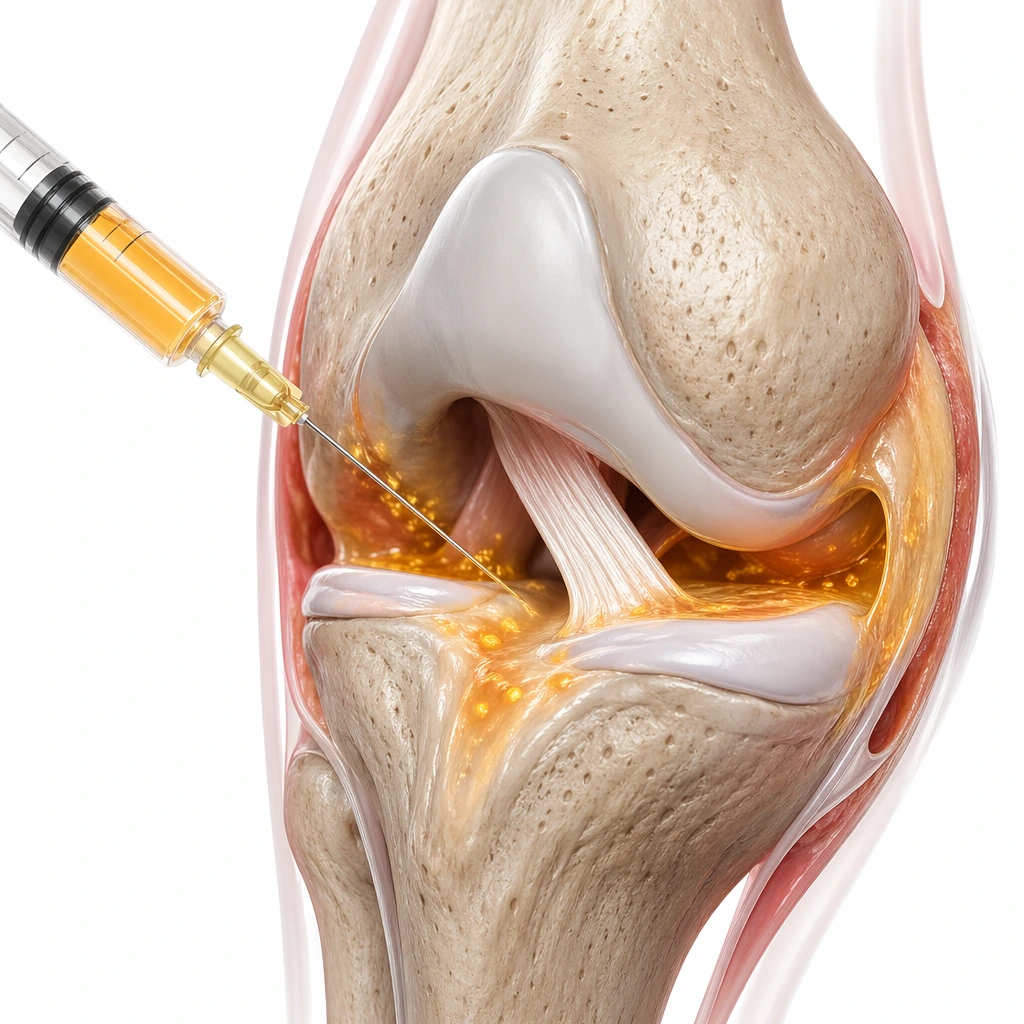
Injection is only one part of the plan
The best results come from correct diagnosis, correct indication, accurate injection planning, and structured rehabilitation.
Orthobiologics medicine is not “one injection for every pain”
Not every pain problem benefits from PRP or regenerative injections. Some patients need rehabilitation only. Some need imaging review. Some need a different intervention. Some need surgery.
The safest approach is to first understand the real diagnosis, the stage of the condition, the tissue involved, previous treatments, activity goals, and whether injection is truly appropriate.
Patients considering PRP, joint injections or regenerative treatment in Dubai
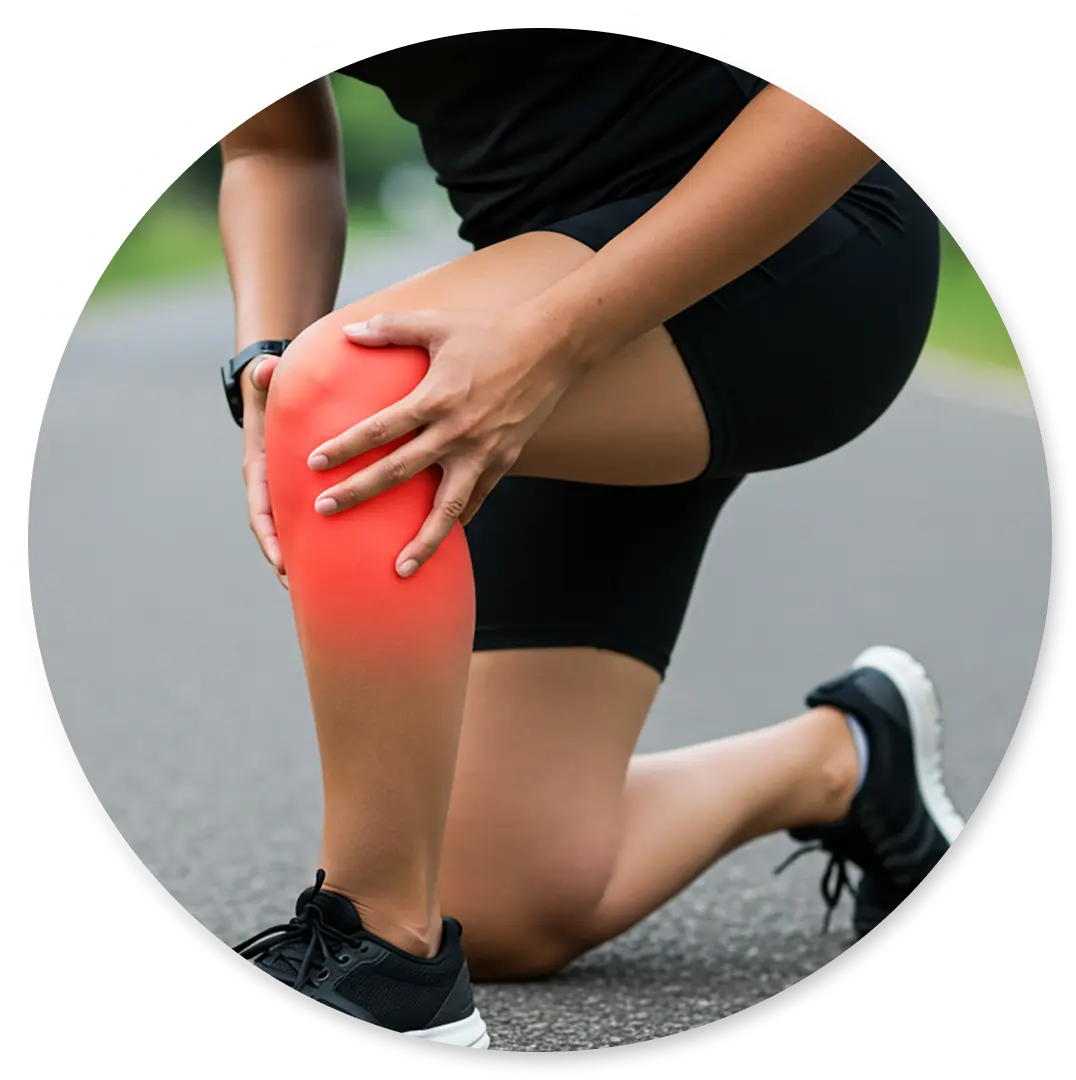
You may be a good candidate for an orthobiologics medicine consultation if you have persistent joint pain, tendon pain, MRI findings, or recurring sports injuries and want to understand whether injection treatment is appropriate.
Knee pain and early cartilage wear
Selected patients with early cartilage wear, inflammation, overuse pain, or joint symptoms may benefit from diagnosis-based injection planning.
Tendon pain
Achilles tendinopathy, patellar tendinopathy / jumper’s knee, tennis elbow, and selected chronic tendon pain may require structured assessment.
Shoulder pain
Selected tendon-related shoulder problems may be assessed for rehabilitation, imaging review, injection options, or surgical referral when needed.
Chronic symptoms despite physiotherapy
If pain continues despite rehabilitation and activity modification, a second assessment can clarify the diagnosis and next step.
MRI review and second opinion
Patients often need help understanding MRI findings and deciding between rehab, injection, orthobiologics, or surgery.
Return-to-sport planning
Athletes and active patients need treatment decisions connected to strength, load tolerance, movement, and safe return to activity.
What are orthobiologics?
Orthobiologics are treatments used in orthopaedics that aim to support tissue healing, reduce symptoms, or improve joint function using biological or regenerative-style preparations.
These options may help reduce pain and improve function in selected conditions, especially when combined with the right rehabilitation plan.
The key is selection. Orthobiologics medicine should be matched to the diagnosis, tissue type, severity, imaging findings, medical suitability, and patient goals.
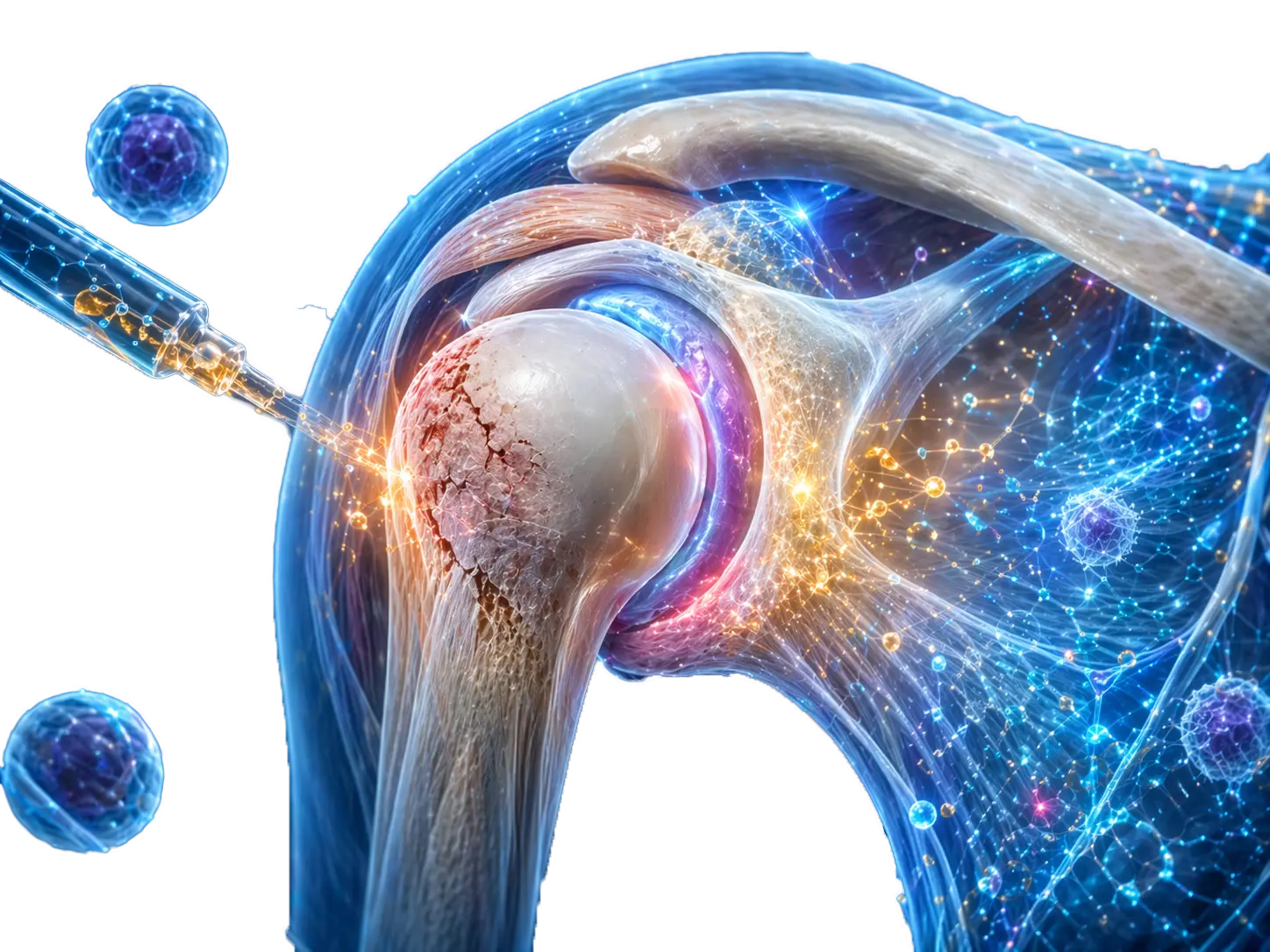
PRP, HA gel injections and selected regenerative options
The right treatment depends on diagnosis. These options may be considered only when they match the condition, examination, imaging, and recovery goal.
PRP injection
PRP is made from a small sample of your blood, processed to concentrate platelets and growth factors, then injected into a targeted area.
- Tendinopathy such as Achilles or patellar tendon pain
- Tennis elbow in selected cases
- Selected ligament or muscle injury recovery support
- Some joint pain scenarios depending on diagnosis and stage
Hyaluronic acid joint injections
Hyaluronic acid injections, often called gel injections, aim to improve joint lubrication and reduce symptoms in selected patients.
- Commonly searched as knee gel injection
- May help selected early-to-moderate joint wear symptoms
- Usually works best with activity and rehab planning
Highly concentrated plasma preparations
In some cases, different plasma concentrations or preparations may be considered depending on the tissue and treatment goal.
- Joint environment vs tendon environment
- Individualized by diagnosis
- Combined with structured recovery planning
Mesotherapy
Mesotherapy refers to superficial micro-injection techniques sometimes used in pain management contexts.
If considered, it is used conservatively and only when clinically appropriate, with clear expectations.
Prolotherapy
Prolotherapy involves injecting a solution designed to stimulate a local tissue response.
It may be considered for selected ligament or tendon-related pain when appropriate. Suitability depends heavily on diagnosis and examination.
Stem-cell–based options in selected cases
Stem-cell–based treatments require careful discussion, medical suitability review, local regulatory consideration, and realistic expectations.
- Diagnosis and severity
- Imaging findings
- Prior treatments
- Benefits, limits, and alternatives explained transparently
What PRP and orthobiologics are not
PRP is not a guaranteed cartilage “regrowth” treatment. It is not a replacement for rehabilitation. It is not a shortcut for every painful joint or tendon.
Orthobiologics medicine is most useful when the diagnosis is appropriate, the patient understands the goal, and the treatment is part of a complete recovery plan.
Before considering injection, we clarify:
- What is the real source of pain?
- Is the condition suitable for injection?
- Is imaging needed first?
- Has rehabilitation been optimized?
- What result is realistic?
- What alternatives exist?
What conditions may respond best — and when injections are not enough
The decision should be based on diagnosis, symptoms, imaging, stage of disease, previous treatment, activity goals, and medical suitability.
Often considered, depending on diagnosis
- Selected tendon pain such as Achilles or patellar tendinopathy
- Selected early joint symptoms
- Some sports-related soft tissue problems
- Persistent symptoms despite appropriate physiotherapy
- Patients wanting non-surgical options before surgery is considered
Usually not enough as a stand-alone solution
- Advanced arthritis with severe mechanical limitation
- Complete tendon rupture requiring surgical discussion
- Large unstable meniscus tears or locked knee
- Major ligament instability needing reconstruction
- Pain without clear diagnosis or proper examination
How we decide the right orthobiologics medicine plan
The process is simple: assess the patient, review imaging when needed, match the treatment to the diagnosis, then combine it with a realistic recovery plan.
Clinical assessment
We review your sport, pain pattern, functional limits, previous treatments, and what you need to return to.
Imaging review
X-ray, ultrasound, or MRI may be reviewed when needed. You can book an MRI review appointment before deciding on treatment.
Diagnosis-based decision
The decision is injection vs rehabilitation-only vs other intervention vs surgery referral when indicated.
Recovery plan
Injection is only one part of recovery. Activity modification and physiotherapy progression are usually essential.
Have MRI or ultrasound results?
Dr. Tomislav can review your imaging, match it with your symptoms and examination, and explain whether PRP, HA, orthobiologics, rehabilitation, or another treatment is appropriate.
What to expect after PRP or joint injections
Expectations vary by treatment and condition. Some patients experience short-term soreness after injection. Activity modification is usually discussed.
Physiotherapy progression is often essential. Return-to-sport timing is individualized and depends on diagnosis, tissue response, symptoms, and function.
- You may have short-term soreness
- You receive activity modification advice
- Physiotherapy progression may be needed
- Return-to-sport timing is individualized
- Follow-up depends on your diagnosis and response
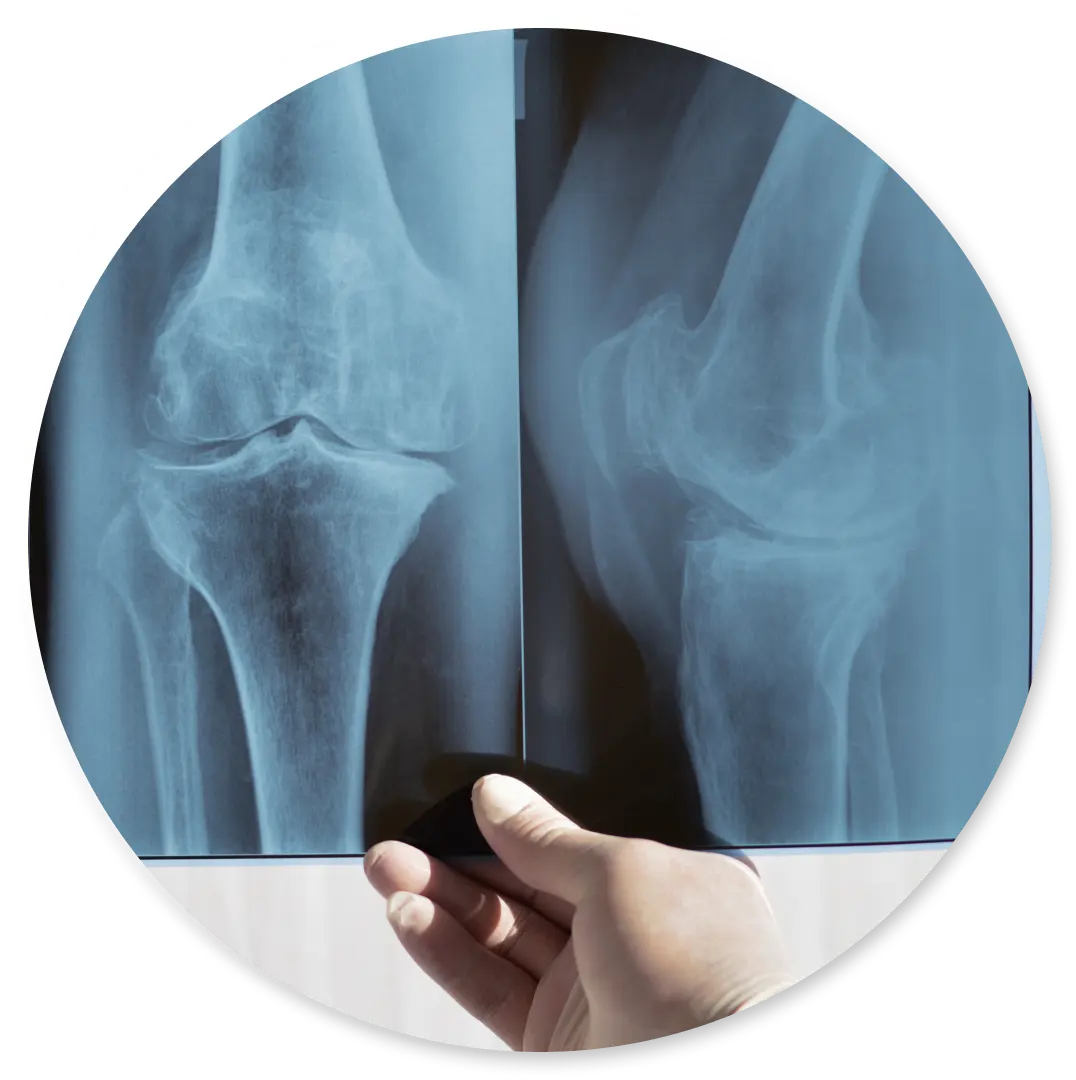
Recovery should be guided
Injection without the right loading and rehabilitation plan may not solve the underlying problem. The plan should be built around diagnosis and function.
Diagnosis-first orthobiologics medicine with sports-injury planning
Patients choose Dr. Tomislav for a careful, realistic approach to PRP, HA injections, and regenerative medicine options in Dubai.
The focus is not simply giving an injection. The focus is understanding the diagnosis, explaining benefits and limits, choosing the correct treatment, and planning recovery.
Appointment options
- Acute injury assessment
- Chronic tendon pain program
- MRI / ultrasound review
- Second opinion before injection or surgery
- Return-to-sport planning
Orthobiologics medicine and PRP injection questions
What is PRP injection?
PRP stands for platelet-rich plasma. It is made from a small sample of your blood, processed to concentrate platelets and growth factors, then injected into a targeted area when clinically appropriate.
Is PRP a guaranteed cartilage regrowth treatment?
No. PRP should not be presented as guaranteed cartilage regrowth. It may help selected pain and function problems, but results depend on diagnosis, severity, tissue condition, and rehabilitation.
What is a hyaluronic acid or gel injection?
Hyaluronic acid injection aims to improve joint lubrication and reduce symptoms in selected patients, commonly in early-to-moderate knee joint wear.
Do all joint or tendon pain problems benefit from injections?
No. Some problems need rehabilitation only, some need imaging review, some need different interventions, and some may require surgery. Diagnosis comes first.
Can I book an MRI review before deciding on PRP?
Yes. MRI or ultrasound review can help clarify whether PRP, HA, rehabilitation, orthobiologics, or another option is appropriate.
Is rehabilitation still needed after injection?
Often yes. Injection is usually only one part of treatment. A structured rehabilitation and activity modification plan is often essential for better outcomes.
Book an orthobiologics medicine consultation in Dubai
If you have joint pain, tendon pain, early cartilage symptoms, chronic sports injury, MRI findings, or uncertainty about PRP or regenerative injection options, book a consultation with Dr. Tomislav at Tadawi Hospital, Al Garhoud, Dubai.