




Elbow & tendon care in Dubai
Tennis Elbow: Outer Elbow Pain, Treatment & Recovery
Pain on the outside of the elbow during gripping, lifting, gym work, racquet sports or tool use may be tennis elbow — more accurately called lateral elbow tendinopathy. The right plan is usually not complete rest or simply pushing through pain. It starts with an accurate assessment, sensible load modification and progressive rehabilitation.
The direct answer
What is tennis elbow?
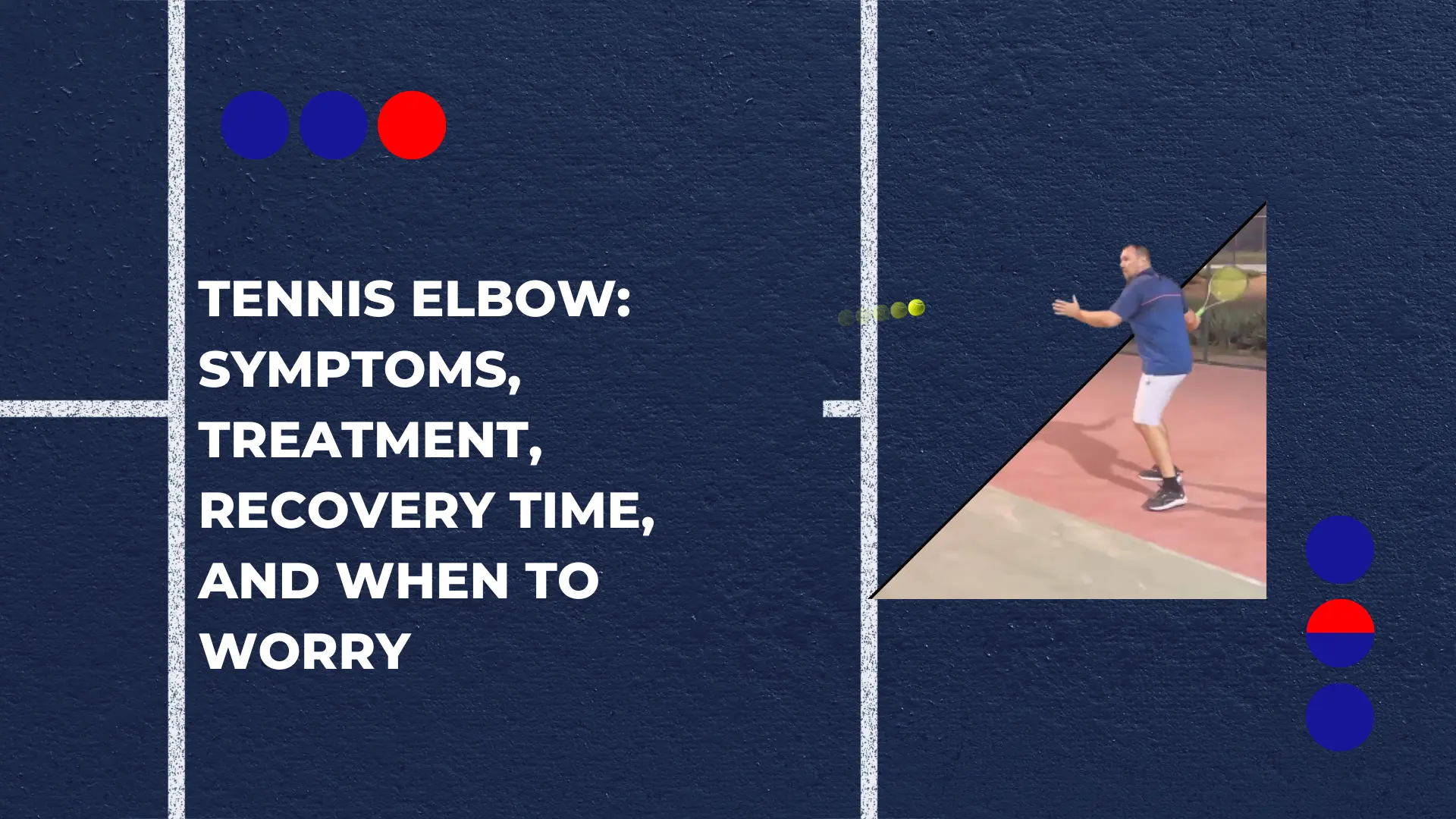
Tennis elbow is pain and reduced load tolerance around the tendon attachment on the outside of the elbow. It commonly develops when the forearm extensor muscles and tendon are repeatedly asked to do more than they can currently tolerate — for example with gripping, lifting, wrist extension, repetitive tool use, racquet sport or gym work.
The older term lateral epicondylitis is still widely used. In many persistent cases, lateral elbow tendinopathy is more accurate because the problem is not simply inflammation. A careful clinical assessment matters because other conditions can also cause outer elbow pain.
Often consistent with tennis elbow
Typical pattern
- Localised pain or tenderness near the outer elbow
- Pain with gripping, lifting, carrying or shaking hands
- Symptoms with resisted wrist or finger extension
- Reduced confidence or painful grip during work, sport or gym tasks
Do not self-diagnose every case
Why assessment still matters
Nerve irritation, neck-related pain, joint problems, arthritis, referred pain and an acute injury can overlap with tennis elbow symptoms. Numbness, tingling, marked weakness, major swelling, trauma or loss of function need a more urgent clinical review.
Symptoms & triggers
What does tennis elbow feel like?
Symptoms often start gradually rather than after one clear injury. The important feature is not only where pain is felt, but how the elbow responds during and after load.
Outer elbow pain
Pain is usually close to the bony prominence on the outside of the elbow and may spread into the upper forearm.
Painful grip
Opening jars, lifting a pan, carrying bags, holding a racquet or turning a key can become painful or feel weak.
Load-sensitive symptoms
Gym work, repetitive keyboard or mouse use, tools, manual work and racquet sport can provoke symptoms when load is too high.
Delayed flare-up
Some people cope during an activity but notice a meaningful increase in pain later that day or the following morning.
Diagnosis first
How is tennis elbow assessed?
Imaging is not automatically required. In many cases, the diagnosis is primarily clinical: your symptom story, the precise site of tenderness, functional testing and the way symptoms respond to loading are reviewed together.
History & load review
When symptoms began, which tasks trigger pain, any recent work, sport or gym changes, and how the arm feels after activity.
Focused examination
Elbow and wrist movement, local tenderness, grip tolerance, resisted tests and relevant screening of the neck and nerves.
Imaging only when useful
X-ray, ultrasound, MRI or nerve testing may be considered when the diagnosis is uncertain, symptoms persist, trauma is involved or another cause needs to be excluded.
Personalised plan
Treatment is guided by work, sport, training goals, severity, duration, examination findings and response to an appropriate rehabilitation trial.
Treatment pathway
What usually helps tennis elbow?
The goal is not simply to make pain disappear for a day. The goal is to rebuild the arm’s capacity for the grip, lifting, work or sport demands that matter to you.
Modify the aggravating load
Reduce the specific tasks that repeatedly flare pain. This may mean adjusting volume, grip demands, lifting technique, racquet time, tool use or gym programming — not abandoning all activity indefinitely.
Progressive strengthening
A staged programme for the forearm and wrist extensors is usually central. Early exercise may be selected to improve tolerance; later stages build strength, endurance and task-specific capacity.
Restore the full chain
Shoulder, neck, grip, wrist, elbow and work or sport technique can all influence how the tendon is loaded. The plan should match the task that caused the problem.
Use support tools correctly
A counterforce strap or wrist support may reduce symptoms for some people during selected activities. It is an aid, not a cure, and should not be used to ignore escalating pain.
Review recovery factors
Sleep, recovery days, total gym and work load, and sudden spikes in demand can influence progress. Tendons generally respond better to steady, planned progression than repeated boom-and-bust cycles.
Escalate selectively
Persistent cases may require reassessment, a different rehabilitation strategy, targeted imaging or a carefully discussed injection or procedural option. These are not routine first steps for every patient.
Explore orthobiologics medicineInjections: a decision, not a shortcut
When might an injection be discussed?
An injection may be considered in selected persistent cases after diagnosis, load history and rehabilitation response have been reviewed. A corticosteroid injection can sometimes reduce pain in the short term, but it should not be used simply to mask symptoms and return to the same overload pattern. Options such as PRP may also be discussed in selected cases, but expected benefit, uncertainty, cost, alternatives and rehabilitation still need to be considered openly.
Recovery expectations
How long does tennis elbow take to improve?
There is no reliable one-size-fits-all recovery date. Some people improve over several weeks; others, especially with symptoms that have been present for a long time or continue to be aggravated by work or sport, need several months of consistent progression.
A better measure of progress is whether everyday grip tasks, strengthening and the specific activity you want to return to can be completed with acceptable symptoms and without a meaningful next-day flare.
When to seek prompt assessment
Outer elbow pain is not always tennis elbow
Arrange timely medical assessment after a fall, direct trauma or a sudden pop; when there is substantial swelling, redness, fever, a visible deformity, rapidly worsening weakness, persistent numbness or tingling, inability to use the arm, or pain that does not fit a gradual tendon-overload pattern.
Return to work, gym & sport
Return is based on capacity — not just a calendar date
A safe return is planned around the demands of your activity. The goal is not to test the elbow with one maximal session; it is to build a repeatable tolerance to the right volume, force and frequency.
Desk & manual work
Adjust grip positions, tool load, repetition, lifting strategy and breaks; then increase normal demand progressively as symptoms allow.
Gym training
Temporarily modify painful pulling, gripping and wrist-extension work. Rebuild with a structured strength plan before testing high-volume or maximal grips.
Racquet sport
Review equipment, technique, total court time and recovery. Return should progress from controlled practice to higher-speed and higher-volume play.
Frequently asked questions
Tennis elbow FAQ
Is tennis elbow only caused by tennis?
No. Tennis is one possible trigger, but many people with lateral elbow tendinopathy do not play racquet sports. Repetitive gripping, gym training, manual work, lifting, tools and repetitive wrist use can all contribute.
Can tennis elbow cause weak grip?
Yes. Pain during gripping can make the hand feel weak or unreliable. A clinical assessment can help distinguish pain-limited grip from nerve-related or other causes of weakness.
Do I need an MRI for tennis elbow?
Not routinely. Tennis elbow is often diagnosed clinically. Imaging may be useful when the diagnosis is uncertain, symptoms are not improving, there was trauma, or another condition needs to be considered.
Is complete rest the best treatment?
Usually not. Short-term reduction of painful tasks can help, but long-term recovery generally requires a progressive plan to rebuild tendon and forearm capacity rather than prolonged avoidance of all use.
Does a tennis elbow strap cure the problem?
No. A counterforce strap may reduce symptoms during selected activities for some people, but it does not replace rehabilitation, load adjustment and a gradual return to demanding tasks.
When is surgery considered?
Surgery is uncommon. It may be considered only after a confirmed diagnosis, a sustained and appropriate non-surgical treatment trial, and a review of work, sport and functional limitations.
Persistent outer elbow pain?
Get a clear diagnosis and a practical return-to-activity plan.
Dr. Tomislav Cerovecki provides orthopaedic assessment for tennis elbow, tendon pain, sports injuries and persistent outer elbow symptoms in Dubai.
Medical disclaimer: This article is general education, not personal medical advice. Diagnosis and treatment depend on your symptoms, examination, activity demands, medical history and imaging when clinically indicated. Seek urgent care for severe pain after trauma, deformity, fever, rapidly progressive weakness, numbness, significant swelling or loss of arm function.